
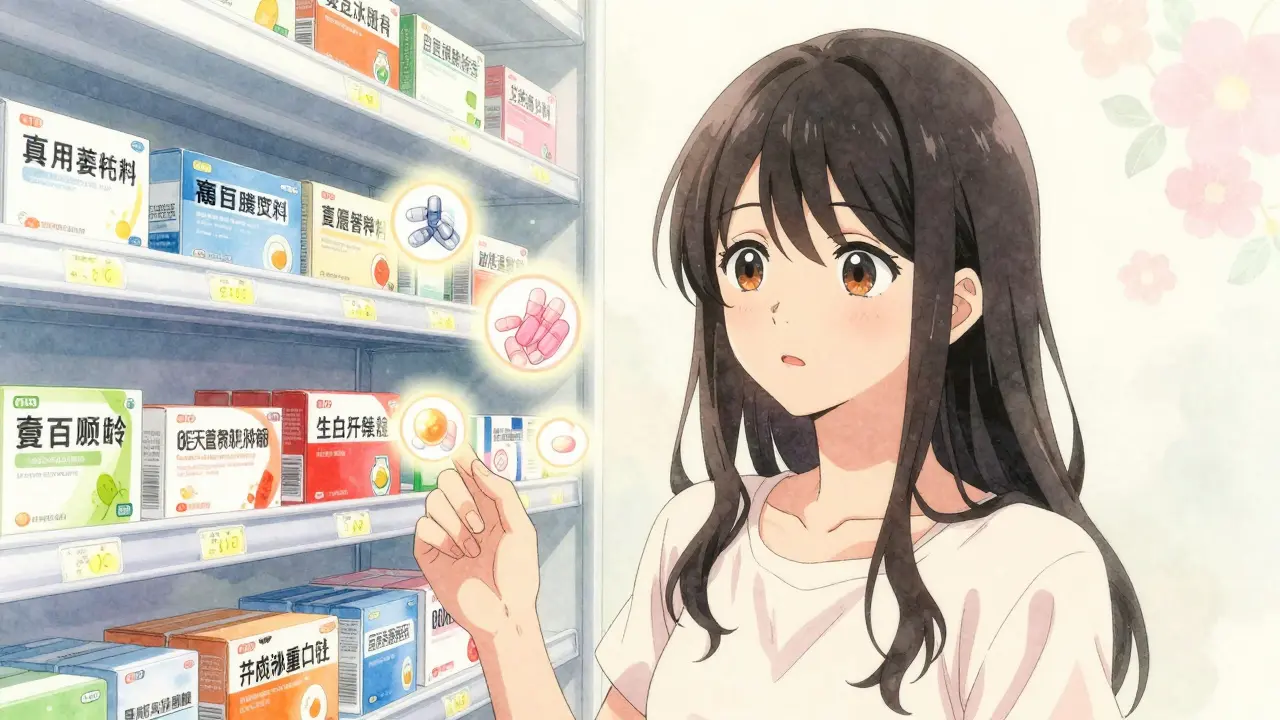
Every year, millions of people reach for an OTC medication without thinking twice. A headache? Grab acetaminophen. Stomach upset? Pepto-Bismol. Runny nose? A cold tablet from the shelf. It’s easy. It’s convenient. But OTC medications aren’t harmless candy. They’re powerful chemicals with real risks - and most people don’t know how to use them safely.
What Exactly Counts as an OTC Medication?
Over-the-counter doesn’t just mean painkillers. It includes everything you can buy without a prescription: cough syrups, antacids, allergy pills, foot fungus creams, dandruff shampoos, even fluoride toothpaste. The FDA classifies these as drugs because they change how your body works - not just clean or soothe. In the U.S., there are more than 300,000 OTC products on the market, covering 80 different conditions. That’s more than 800 active ingredients, all regulated to be safe when used as directed.But here’s the catch: just because you don’t need a doctor doesn’t mean you don’t need to understand what you’re taking. Many people think, “It’s OTC, so it’s safe.” That’s dangerous thinking. Acetaminophen alone sends about 56,000 people to the ER every year because of overdose. And NSAIDs like ibuprofen cause more than 100,000 hospitalizations annually from internal bleeding.
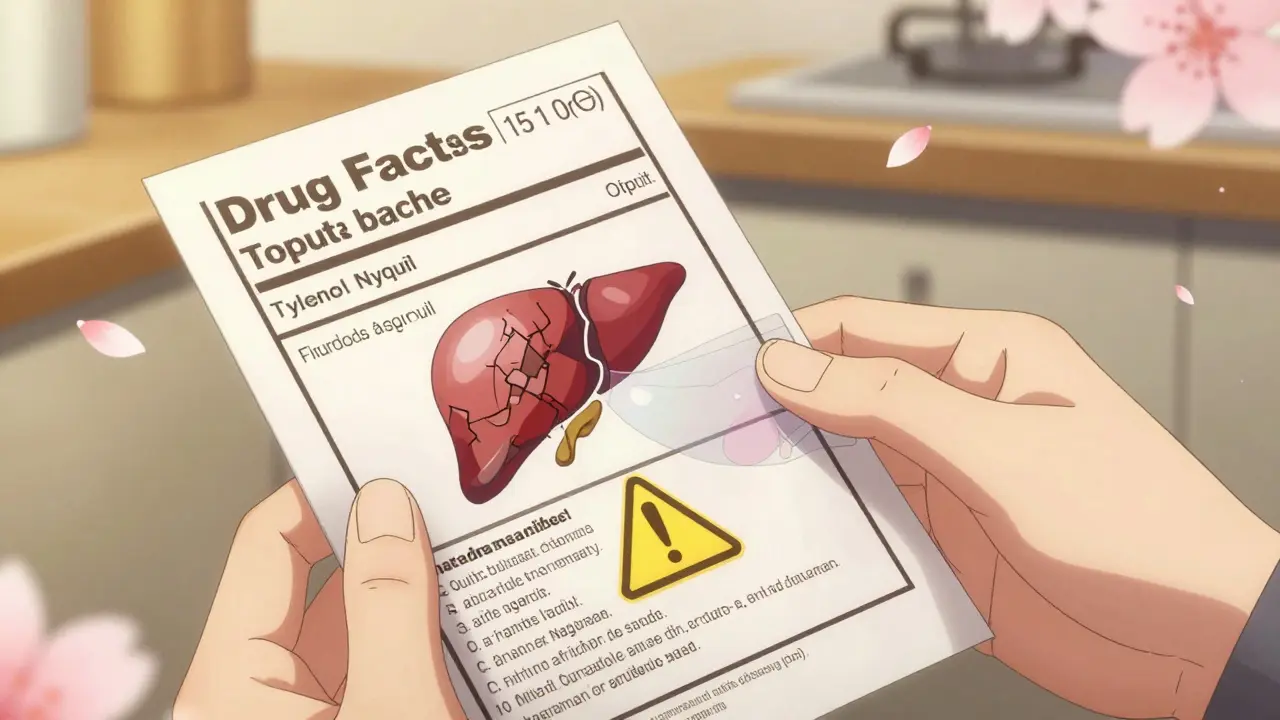
The Drug Facts Label: Your Best Friend (If You Read It)
Every OTC package in the U.S. must have a Drug Facts label. It’s not optional. It’s required by law. And yet, only 22% of people read the whole thing. That’s a problem.The label has 11 sections. Here’s what actually matters:
- Active Ingredients: This tells you what the medicine is made of. Not the brand name - the chemical. Tylenol = acetaminophen. Advil = ibuprofen. If you’re taking two products, you might be doubling your dose without realizing it.
- Purpose: What does this drug do? Pain reliever? Antihistamine? Antacid?
- Uses: What symptoms does it treat? Don’t guess. Match your symptoms exactly.
- Warnings: This is where the risks live. If you have high blood pressure, asthma, or liver disease, this section will tell you if it’s unsafe.
- Directions: How much? How often? For how long? Never exceed the daily limit.
- Inactive Ingredients: These are fillers, dyes, flavors. But if you’re allergic to gluten, dye, or certain preservatives, this matters.
Example: You buy a “Cold & Flu” tablet. It says it contains acetaminophen, dextromethorphan, and phenylephrine. You also take a separate pain reliever. Now you’re taking two doses of acetaminophen. That’s how overdoses happen.
Top OTC Categories and How to Use Them Right
Pain Relief: Acetaminophen vs. NSAIDs
For most headaches and body aches, acetaminophen (Tylenol) is the first choice. It’s gentler on the stomach than NSAIDs. But here’s the hard truth: you can’t take more than 3,000 mg a day. That’s six 500 mg tablets. Exceed that, and you risk serious liver damage - even if you’re healthy.
For inflammation - sprained ankles, arthritis pain, muscle soreness - ibuprofen (Advil, Motrin) or naproxen (Aleve) work better. But they’re not safe for everyone. If you have high blood pressure, kidney disease, or a history of ulcers, skip them. NSAIDs increase your risk of heart attack and stroke, especially with long-term use. Since April 2023, all NSAID labels must include this warning.
Pro tip: Don’t mix them. Never take ibuprofen and naproxen together. And never take acetaminophen with alcohol. Even one drink with a full dose of Tylenol can be dangerous.
Heartburn and Digestion
Antacids like Tums (calcium carbonate) give quick relief. H2 blockers like famotidine (Pepcid) last longer. Proton pump inhibitors like omeprazole (Prilosec OTC) are for daily use over 14 days. But if you’re using these more than twice a week for more than two weeks, see a doctor. Chronic heartburn could be GERD - not just bad pizza.
Bismuth subsalicylate (Pepto-Bismol) helps with nausea and diarrhea. But it’s related to aspirin. Don’t give it to kids or teens with viral infections - it can cause Reye’s syndrome, a rare but deadly condition.
Cough, Cold, and Allergies
Decongestants like pseudoephedrine (Sudafed) work - but they’re kept behind the counter. You need ID to buy them because they’re used to make meth. Phenylephrine is the common replacement, but studies show it’s mostly ineffective. If you’re not getting relief, it’s not you - it’s the ingredient.
Antihistamines like loratadine (Claritin) or cetirizine (Zyrtec) are good for allergies. But diphenhydramine (Benadryl) makes you drowsy. That’s fine at night, but terrible if you’re driving or working. Many “daytime” cold meds still sneak it in. Always check the label.
Expectorants like guaifenesin (Mucinex) thin mucus. They don’t cure your cold - but they help you cough it out. Don’t combine them with cough suppressants like dextromethorphan. You’ll trap mucus in your lungs.
Topical Treatments
Wart removers with salicylic acid? Fine - if you follow directions. Don’t use them on your face or genitals. Antibiotic creams like Neosporin? Use only on small cuts. Overuse leads to resistant bacteria. Eye drops? Don’t use them past their expiration date. Contaminated drops can cause blindness.
Who Should Avoid OTC Medications?
Not everyone can use OTC drugs safely. Here’s who needs extra caution:
- People over 65: Your liver and kidneys slow down. You’re more sensitive to side effects. One in four seniors takes five or more prescription drugs - adding OTCs can cause dangerous interactions.
- Pregnant women: Avoid NSAIDs after 20 weeks. Acetaminophen is generally safe, but always check with your doctor.
- People with liver disease: Acetaminophen is risky. Even normal doses can cause harm.
- People with kidney disease: NSAIDs can worsen kidney function.
- Those on blood thinners: NSAIDs increase bleeding risk. Talk to your doctor before taking them.
- Children under 12: Never give adult OTC meds. Use only pediatric formulations - and measure with the dosing tool, not a kitchen spoon.
When to Stop Self-Care and See a Doctor
OTC meds are for short-term relief. If symptoms last longer than a few days - or get worse - it’s time to call a professional.
Stop self-care and see a doctor if you have:
- Fever over 102°F for more than 2 days
- Chest pain, shortness of breath, or dizziness
- Severe abdominal pain or vomiting blood
- Confusion, slurred speech, or weakness on one side
- Skin rash, blistering, or peeling after taking a new OTC drug
- Pain that doesn’t improve after 7 days of OTC use
These aren’t “wait and see” situations. They’re red flags.
How to Avoid Common Mistakes
Most OTC problems come from simple errors:
- Dosing errors: 41% of OTC poisonings happen because people misread the label. Liquid doses are especially tricky. Always use the measuring cup that comes with the bottle.
- Double dosing: Taking Tylenol for pain + NyQuil for cold = too much acetaminophen.
- Ignoring expiration dates: Expired meds lose potency. Some, like liquid antibiotics, can become toxic.
- Storing wrong: Don’t keep pills in the bathroom. Heat and moisture ruin them. Store them in a cool, dry place below 77°F (25°C).
- Assuming “natural” is safer: “Natural” isn’t regulated. Herbal supplements like kava or ephedra can be deadly. Stick to FDA-approved OTCs.

Ask Your Pharmacist - Seriously
Pharmacists are trained to help with OTC meds. They’re not just people who hand out pills. In 2022, 78% of pharmacists provided OTC counseling. They check for drug interactions, verify doses, and spot contraindications.
Walk into any pharmacy and say: “I’m thinking of taking this for my headache. Is it safe with my other meds?” You’ll get a free, expert review. Most chain pharmacies offer this service at no cost. Use it.
The Future of OTC Medications
The FDA is updating the OTC system for the first time in decades. The CARES Act of 2020 and the new Monograph Reform (starting in 2025) mean some products will be pulled from shelves if they don’t prove they’re safe and effective. That’s good news - it means fewer junk products.
More pharmacies are using AI tools to recommend OTC meds based on symptoms. Some states now let pharmacists prescribe emergency contraception and nasal steroids without a doctor’s note. The trend is clear: pharmacists are becoming frontline health advisors.
But the biggest change? You. If you start reading labels, asking questions, and knowing your limits - you’ll use OTC meds safely. And that’s the real win.
Can I take two different OTC pain relievers at the same time?
No. Never combine acetaminophen with ibuprofen or naproxen unless your doctor tells you to. You risk overdose or organ damage. If one doesn’t work, wait before trying another. If pain persists, see a doctor.
Is it safe to use expired OTC medications?
Most OTC meds lose effectiveness after expiration, but they rarely become toxic - except for liquid antibiotics, eye drops, or insulin. For pain relievers or antacids, using them a few months past the date is usually low risk. But if the pills are cracked, discolored, or smell strange, throw them out. Safety comes before savings.
Why do some OTC drugs require ID to buy?
Products containing pseudoephedrine (like Sudafed) are kept behind the counter because they can be used to make illegal methamphetamine. The Combat Methamphetamine Epidemic Act of 2005 requires pharmacies to log purchases and limit how much you can buy in a day or month. It’s a public safety rule - not a personal restriction.
Can children take adult OTC medications?
Never. Children’s bodies process drugs differently. Adult doses can be fatal. Always use pediatric formulations with proper dosing based on weight. If you’re unsure, ask a pharmacist. Never guess or use a kitchen spoon to measure liquid medicine.
Are store-brand OTC medications as good as name brands?
Yes. Store brands contain the same active ingredients, at the same strength, as name brands. The only differences are inactive ingredients (like color or flavor) and price. You’re paying for the logo, not the medicine. Save money - choose store brands. Just check the Drug Facts label to match the active ingredient.
What should I do if I accidentally take too much of an OTC drug?
Call Poison Control immediately at 1-800-222-1222 in the U.S. Don’t wait for symptoms. Acetaminophen overdose can cause liver failure without warning signs for 24 hours. Have the product container ready when you call - they’ll need the active ingredient and amount taken.
Next Steps for Safe Self-Care
Start today: Go to your medicine cabinet. Look at every OTC bottle. Check expiration dates. Write down the active ingredients. Do you have two products with the same one? That’s a red flag. Next time you buy something, ask the pharmacist: “Is this safe with what I’m already taking?”
Keep a small notebook. Track what you take, why, and how you felt. You’ll notice patterns. You’ll avoid mistakes. And you’ll stop treating OTC meds like they’re harmless.
Safe self-care isn’t about avoiding doctors. It’s about using the right tool for the right job - and knowing when to stop.


There are 15 Comments
Tim Goodfellow
Finally someone gets it. OTC meds aren’t candy-they’re chemical cocktails with side effects that’ll sneak up on you like a ghost. I used to pile NyQuil on top of Advil like it was cereal. Then my liver did a backflip. Now I read the damn label. And yes, store brands are just as good. Save your cash.
Alex Curran
Good breakdown. One thing missing: always check for drug interactions with supplements. Turmeric + blood thinner? Bad idea. St. John’s Wort + antidepressants? Disaster. Pharmacists see this daily. Don’t assume ‘natural’ means safe.
Takeysha Turnquest
we are all just atoms pretending to be healthy
the bottle is a lie
the label is a contract with a ghost
you think you’re in control
but the acetaminophen remembers your liver’s last scream
Dominic Suyo
Classic American medical ignorance. You people treat pharmacies like convenience stores and wonder why you end up in the ER. The FDA’s ‘safe when used as directed’ is a legal loophole wrapped in a placebo. You don’t need a PhD to read a label-you just need to stop being lazy.
Sarah McQuillan
Why are we letting the government decide what’s safe? I’ve been taking expired ibuprofen for 12 years and I’m fine. If the FDA wanted to protect us, they’d ban all sugar and smartphones. This is just control. You’re being manipulated.
Alisa Silvia Bila
I used to think OTC meds were harmless until I saw my grandma take three different cold meds at once. She ended up in the hospital with confusion and low blood pressure. Now I help her check every bottle. Knowledge isn’t power-it’s survival.
Nina Stacey
so i just started reading the drug facts label and wow
why does every product have 12 ingredients i cant pronounce
also why is there dye in my headache pill
also why does benadryl make me feel like a zombie
also why is this labeled ‘daytime’ but still has diphenhydramine
im gonna start writing letters
Kelly Mulder
It is imperative to underscore that the prevailing cultural attitude toward over-the-counter pharmaceuticals is not merely negligent-it is a systemic failure of public health literacy. The fact that 78% of individuals fail to comprehend the active ingredients in their analgesics speaks to a broader epistemological collapse in consumer medicine. One must interrogate the commodification of health and the erosion of pharmacological autonomy in late-stage capitalism.
Jedidiah Massey
bro the FDA monograph reform is gonna be a game-changer 😎
they’re finally gonna phase out all the junk products that don’t even work
like phenylephrine 😭
we’re entering a new era of evidence-based OTC
pharmacist AI recommendations coming soon 🤖💊
Kevin Motta Top
My cousin in Australia just told me they sell codeine cough syrup over the counter. Here you need a script for Tylenol 3. We’re backwards. The US treats medicine like a war zone. Other countries treat it like a pharmacy.
Marsha Jentzsch
Have you ever noticed how every single OTC box has that tiny print that says ‘may cause drowsiness’ but no one ever talks about how they also make you paranoid? I took a cold med once and I was convinced my neighbor was spying on me through the air vent. They’re hiding something. The pharmaceutical industry is controlling our dreams.
James Stearns
I must emphasize that the misuse of over-the-counter pharmaceuticals is not a matter of individual negligence-it is a reflection of institutional failure. The absence of mandatory pharmaceutical education in primary curricula is a moral abdication. One cannot expect the public to navigate pharmacological complexity without foundational training. This is not a consumer issue. It is a civilizational one.
anthony funes gomez
It’s not just about reading labels-it’s about understanding pharmacokinetics, hepatic metabolism, cytochrome P450 interactions, and the difference between pharmacodynamics and pharmacotherapeutics. Most people think ‘acetaminophen’ is just ‘Tylenol’-they don’t realize it’s a prodrug metabolized into NAPQI, which depletes glutathione, leading to centrilobular necrosis. If you don’t know what that means, you shouldn’t be taking it. Period.
Edington Renwick
Everyone’s so worried about acetaminophen and NSAIDs. But what about the fact that 90% of OTC products contain artificial dyes linked to ADHD? And don’t get me started on high-fructose corn syrup in liquid cough syrup. This isn’t medicine-it’s a sugar-coated corporate experiment. You’re not healing. You’re being fed.
Alisa Silvia Bila
Just wanted to say thanks to the original post. I showed this to my mom and she finally stopped taking three different painkillers at once. She said she didn’t realize they all had acetaminophen. We’re gonna start keeping a little notebook like you said. Small change, big difference.
Write a comment
Your email address will not be published. Required fields are marked *