
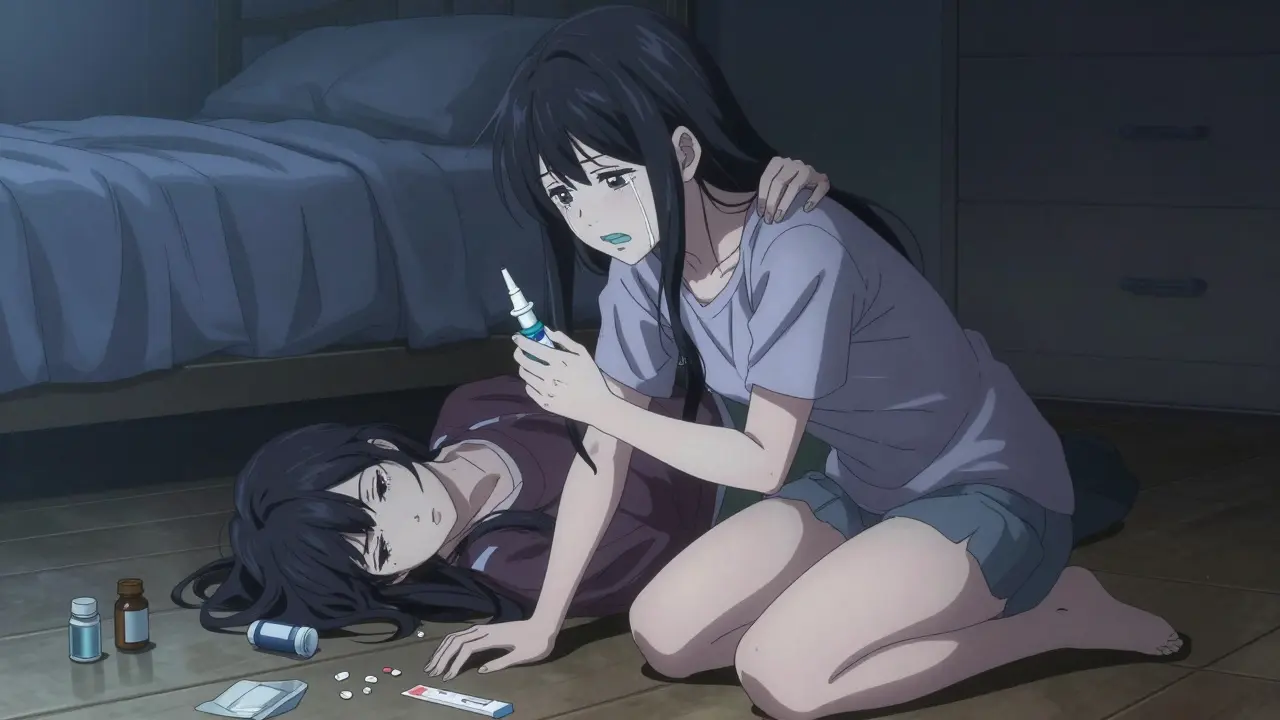
When someone takes too much of a medication-whether it’s a prescription painkiller, an over-the-counter pill, or something bought off the street-their body doesn’t know how to handle it. This isn’t just a mistake. It’s a medical emergency that can kill in minutes. You don’t need to be a doctor to spot the warning signs. If you’ve ever worried about a loved one taking too much, or if you’re just trying to understand what to look for, this is what you need to know.
What Happens When You Overdose?
An overdose isn’t just about taking too many pills. It’s about your body being overwhelmed. The brain, heart, and lungs start to shut down because the drugs are too strong. The most dangerous part? You might not even realize it’s happening until it’s too late. For example, opioids like fentanyl, oxycodone, or heroin slow down breathing. In fact, the brain’s breathing control center can stop working entirely. That’s why people with opioid overdoses often turn blue, go limp, and don’t respond to shaking or shouting. The CDC says synthetic opioids like fentanyl were involved in over 73,000 deaths in the U.S. in 2022 alone. And many of those deaths happened because no one recognized the signs fast enough.General Warning Signs Across All Overdoses
Even though different drugs cause different reactions, there are common red flags that show up no matter what was taken:- Unresponsiveness - The person doesn’t wake up, even when you shake them or shout their name.
- Slow or irregular breathing - Less than 10 breaths per minute, or long pauses between breaths (10 seconds or more).
- Blue lips or fingernails - This means their body isn’t getting enough oxygen.
- Pale, cold, clammy skin - Their body is going into shock.
- Choking or gurgling sounds - Like they’re drowning in their own saliva.
- Vomiting while unconscious - A major risk for choking.
- Seizures - Especially with stimulants like cocaine or meth.
If you see even one or two of these, don’t wait. Call for help immediately.
How Different Drugs Look Different
Not all overdoses look the same. Knowing the differences can help you respond faster.Opioids (fentanyl, heroin, oxycodone)
Opioid overdoses follow what experts call the opioid triad:- Pinpoint pupils - The black part of the eye shrinks to the size of a pinhead.
- Unconsciousness - No response to pain or voice.
- Shallow or stopped breathing - Less than 12 breaths per minute.
People often fall asleep and don’t wake up. Many assume they’re just drunk or passed out. But if they’re not breathing, they’re dying. Over 90% of fatal opioid overdoses involve breathing stopping completely.
Stimulants (cocaine, meth, Adderall)
These drugs do the opposite. Instead of slowing things down, they speed everything up:- Extreme agitation or paranoia - They might panic, scream, or act violently.
- High body temperature - Over 104°F (40°C). Skin feels hot and dry.
- Fast, irregular heartbeat - Could lead to heart attack.
- Seizures - About 1 in 3 cocaine overdoses causes them.
- High blood pressure - Systolic pressure over 180 mmHg.
People often think they’re just “wired” or “overexcited.” But this can lead to stroke, heart failure, or organ damage.
Depressants (alcohol, benzodiazepines, barbiturates)
These drugs calm the nervous system. Too much? It’s like turning off the lights completely.- Slurred speech - Like they’re drunk, but worse.
- Lack of coordination - Can’t walk straight, stumble, or fall.
- Slow breathing - Often under 8 breaths per minute.
- Vomiting while unconscious - This is especially dangerous. People choke on their own vomit.
Alcohol poisoning alone causes thousands of deaths every year. And many people don’t realize that mixing alcohol with pills like Xanax or Valium multiplies the risk.
What About Polysubstance Overdoses?
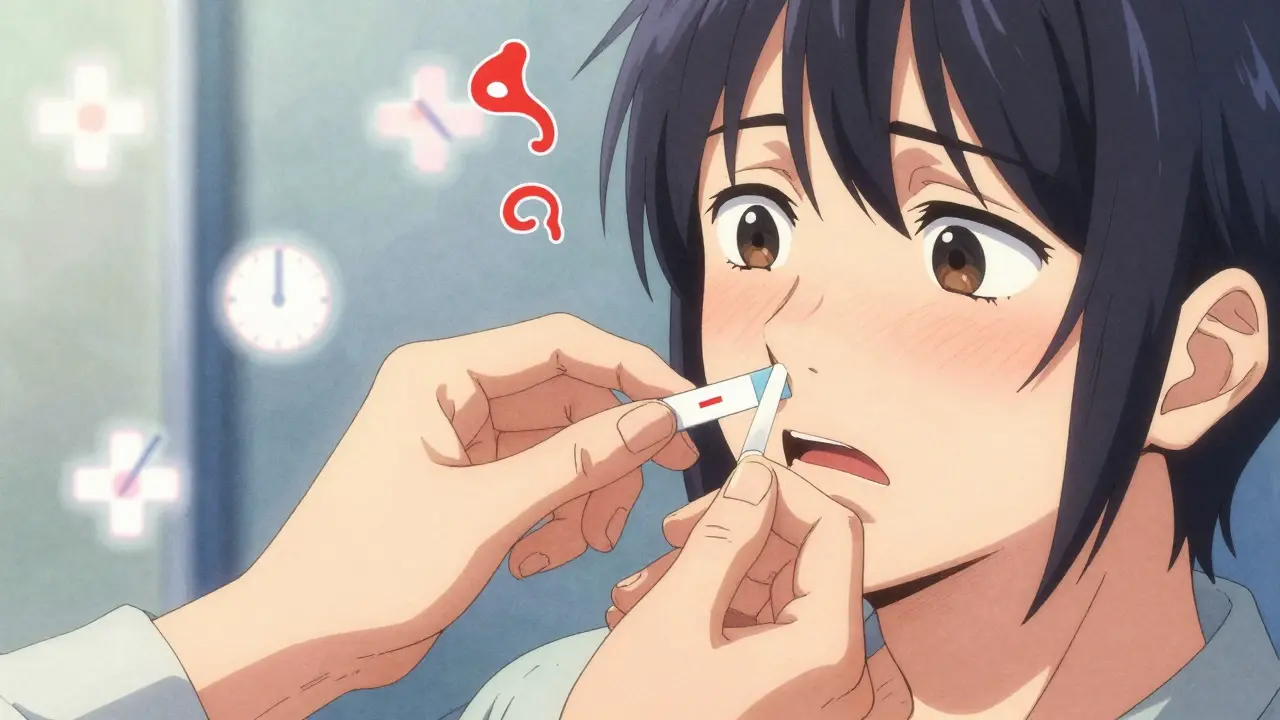
More than half of all overdose deaths in 2022 involved more than one drug. Fentanyl is often mixed into cocaine, meth, or counterfeit pills that look like oxycodone or Xanax. These fake pills can be 50 to 100 times stronger than morphine.That means someone might think they’re taking a painkiller, but they’re actually taking fentanyl. Or they take cocaine thinking it’s pure, but it’s laced with xylazine-a veterinary tranquilizer that causes deep sedation and skin ulcers. Xylazine doesn’t respond to naloxone, so overdoses involving it are harder to reverse.
What to Do If You Suspect an Overdose
Time matters. Every minute counts.- Call emergency services immediately - In Australia, dial 000. In the U.S., dial 911. Don’t wait to see if they wake up.
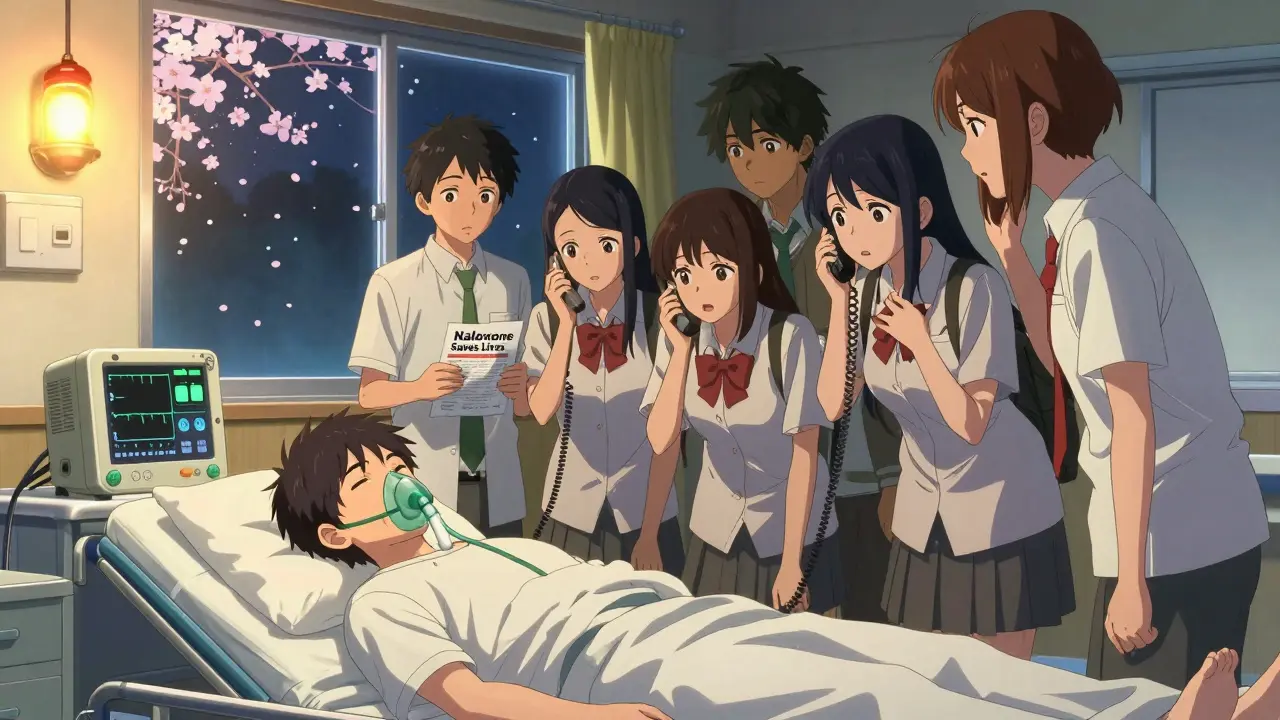
- If you have naloxone, use it - Naloxone (brand name Narcan) reverses opioid overdoses. Spray it into the nose or inject it into the arm. You can’t overdose on naloxone. Give one dose. If there’s no response after 2-3 minutes, give a second dose.
- Keep them on their side - This stops them from choking if they vomit. The recovery position is lifesaving.
- Stay with them - Even if they wake up, they can crash again. Don’t leave them alone.
- Don’t try home remedies - Cold showers, coffee, or walking them around won’t help. They can make things worse.
Never let someone “sleep it off.” That’s how people die. In nearly 30% of fatal overdoses, people waited too long to call for help.
How to Prevent Overdoses
Prevention isn’t just about avoiding drugs. It’s about knowing what’s out there.- Use fentanyl test strips - These cost less than $1 and can detect fentanyl in pills or powder. If it’s positive, don’t use it.
- Don’t use alone - If someone is with you, they can call for help if something goes wrong.
- Know your tolerance - If you haven’t used in a week or more, your body has lost tolerance. The same dose you used before could kill you now.
- Carry naloxone - It’s now available over-the-counter at pharmacies. Keep one in your bag, car, or home. It’s safe, easy to use, and saves lives.
Studies show that handing out naloxone in communities reduces overdose deaths by 14%. In states with laws protecting people who call 911 during overdoses, emergency calls increased by 27%.
What You Can Do Right Now
You don’t need to be an expert. You just need to be ready.- Ask your pharmacist for a free naloxone kit. No prescription needed.
- Save the number for the National Helpline: 1-800-662-4357 (U.S.) or call 13 11 14 (Lifeline, Australia).
- Teach a friend how to use naloxone. Practice with a training kit.
- Keep a fentanyl test strip in your wallet. It takes 2 minutes to use.
Overdose isn’t a moral failure. It’s a medical event. And recognizing the signs could mean the difference between life and death-for someone you love, or even a stranger.
Can you overdose on over-the-counter medications?
Yes. Even common painkillers like acetaminophen (Tylenol) or ibuprofen (Advil) can cause overdose if taken in large amounts. Acetaminophen overdose can cause liver failure within days. The safe daily limit is 3,000-4,000 mg for most adults, but many people don’t realize they’re exceeding it by combining cold medicines and pain relievers.
Is naloxone safe to use if I’m not sure it’s an opioid overdose?
Yes. Naloxone only works on opioids. If the person didn’t take opioids, naloxone won’t hurt them. It won’t make them wake up if they overdosed on alcohol or cocaine, but it also won’t cause harm. When in doubt, use it. It’s better to give naloxone and have no effect than to wait and lose someone.
Why do people die from overdoses even after being revived?
Naloxone wears off in 30 to 90 minutes, but many opioids (especially fentanyl) last longer. If the drug is still in their system after naloxone wears off, breathing can stop again. That’s why emergency medical care is always needed-even if they wake up. Hospitals monitor patients for 4-6 hours after an overdose to prevent a second crash.
Can you overdose on prescription drugs if you take them as directed?
It’s rare, but possible. Some people are more sensitive to medications due to age, weight, liver problems, or interactions with other drugs. Mixing opioids with alcohol or sleep aids-even at prescribed doses-can be deadly. Always tell your doctor everything you’re taking.
Where can I get naloxone for free?
In Australia, naloxone is available for free at pharmacies under the Take Home Naloxone program. In the U.S., many health departments, harm reduction centers, and community organizations give it out at no cost. You can also order it online through sites like naloxonesaves.org. No ID or prescription is needed.
What if I’m scared to call 911 because I’m using drugs?
You’re not alone. Many people fear arrest or judgment. But in 47 U.S. states and across Australia, laws protect people who call for help during an overdose. You won’t be arrested for possession if you’re seeking help. Emergency responders are trained to save lives, not punish people. Calling 000 or 911 is the bravest thing you can do.
There are 8 Comments
Betsy Silverman
Just read this after my cousin OD’d last year. I didn’t know what to do. Now I carry naloxone in my purse like a damn flashlight. If you’re reading this and haven’t gotten a kit yet-do it. It’s free. It’s easy. It could save someone’s life. No drama, no judgment. Just do it.
Also, fentanyl test strips? I keep one taped to my phone case. Sounds weird, but I’d rather look silly than dead.
Zacharia Reda
So let me get this straight-you’re telling me I should hand out life-saving drugs to people who might be using illegally, but we still can’t legalize weed without a 12-year debate? The system is a circus. And honestly? If you’re too scared to use naloxone because ‘it’s not your business,’ you’re part of the problem. Not the solution.
Also, ‘sleep it off’ is the dumbest thing people say. That’s how your friend becomes a statistic. Stop being polite and start being brave.
Jeff Card
I work in ER. Seen it all. Opioid overdose? Usually quiet. Person looks like they’re napping. Blue lips. No response. Family thinks they’re just drunk. Then they turn purple. By the time someone calls 911, it’s too late.
Stimulant overdose? Total chaos. Screaming, sweating, chest pain. They think they’re invincible. Then their heart gives out. No warning.
And polysubstance? That’s the real killer. Someone takes one pill thinking it’s Xanax. It’s fentanyl. Then they add alcohol because they’re anxious. Boom. No chance.
My advice? If you’re around people who use-learn the signs. Carry naloxone. Don’t wait for a crisis to become a funeral.
And yes, even acetaminophen can kill you if you take 12 pills because ‘it’s just Tylenol.’ We’ve had teens die from that. No one saw it coming.
Deborah Dennis
Wow. Just... wow. So now we’re supposed to hand out free antidotes like candy? And not arrest people? What’s next? Giving out free heroin and a complimentary hug? This isn’t compassion. It’s enabling. And it’s going to get more people killed.
People need to take responsibility. Not everyone deserves to be saved. Some choices have consequences. And if you’re dumb enough to mix drugs? You deserve what you get.
Also, why is everyone acting like this is a public health crisis? It’s a moral one. People are lazy. They don’t want to work. They want to escape. And now we’re rewarding it with free Narcan?
I’m done. This is the end of civilization.
Diane Croft
My brother used to take oxycodone for back pain. Then he got prescribed a new one. Then he started buying pills off Instagram. We didn’t know. He was fine. Until he wasn’t.
I found him on the floor. Blue. Not breathing. I had no idea what to do. No naloxone. No plan. Just panic.
He survived. But I didn’t sleep for three months.
So if you’re reading this and you think it won’t happen to you? It already did. To someone you know. Or will.
Get the kit. Learn the signs. Be the person who shows up. Not the one who says ‘I didn’t know.’
Donna Zurick
Carry naloxone. Test your drugs. Don’t use alone. Simple. No drama. Just facts.
And if you think this doesn’t apply to you? It does. Someone you love is one bad pill away from never waking up.
Be ready.
Tobias Mösl
This is all a government psyop. They want you to believe overdoses are accidents. But they’re not. They’re controlled. Fentanyl is being laced into everything because they want to thin the herd. You think the CDC really cares about saving lives? No. They care about control.
Why is naloxone free? Because they want you dependent on the system. Why are test strips available? So you’ll keep using but feel safe. It’s a trap.
And don’t get me started on the ‘no judgment’ nonsense. They’re not helping. They’re conditioning. Wake up. This isn’t about drugs. It’s about who controls your mind.
Stop trusting the system. Start trusting yourself. And if you’re still reading this? You’re already part of the program.
tatiana verdesoto
I’m a harm reduction worker. I’ve given out over 2,000 naloxone kits. I’ve watched people come back to life after being dead for minutes.
None of them said ‘I’m a junkie.’ None of them said ‘I deserved it.’ They said ‘Thank you.’
And you know what? I didn’t save them because I was a hero. I saved them because I cared enough to learn.
So if you’re scared, confused, or think this isn’t your problem-just remember: the person who dies next? They could be your sibling. Your coworker. Your neighbor.
Be the reason they live.
Write a comment
Your email address will not be published. Required fields are marked *