
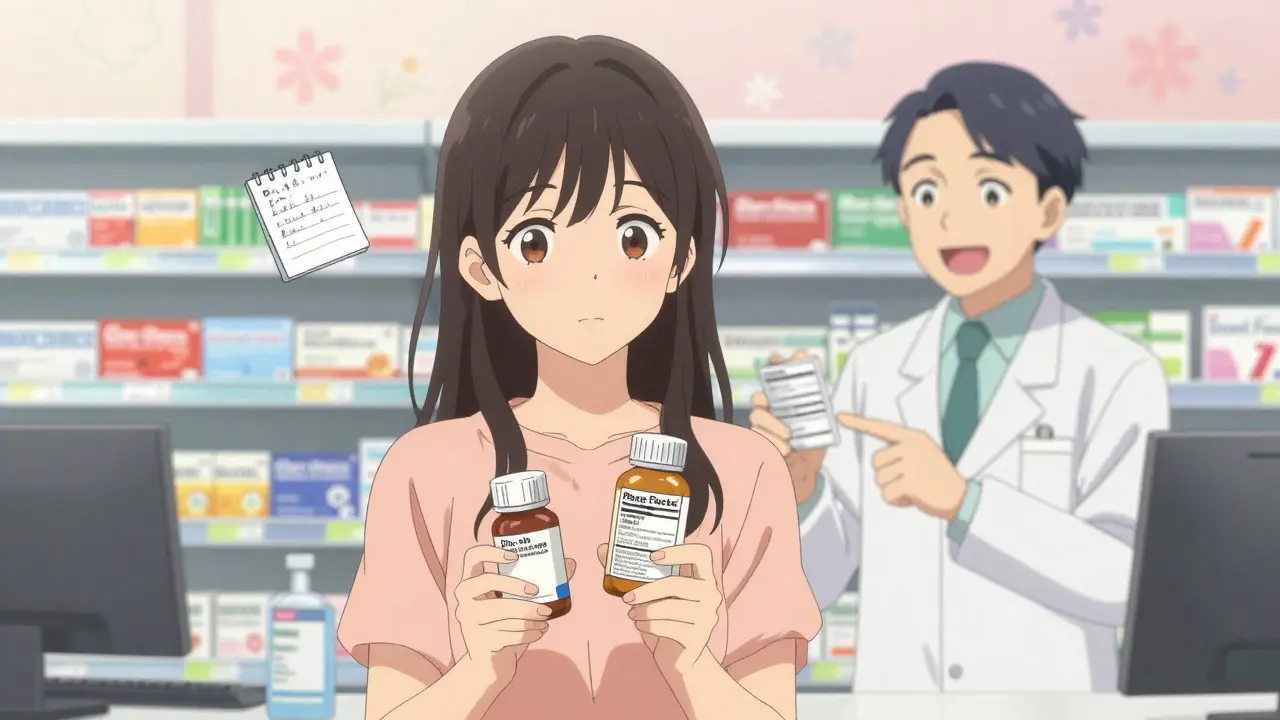
Every year, millions of people walk into pharmacies looking for quick relief - a headache, a stuffy nose, heartburn, or a cough. They grab a bottle off the shelf, read the front label, and assume it’s safe. But here’s the truth: OTC medications aren’t harmless just because you don’t need a prescription. In fact, over 198,000 single-substance OTC medication exposures were reported to U.S. poison control centers in 2022. Most of those were preventable.
Read the Drug Facts Label - Every Time
The FDA made this mandatory in 1999, and it’s still the single most important tool you have. The Drug Facts label isn’t just fine print - it’s your safety manual. It’s structured the same way on every OTC product: active ingredients, purpose, uses, warnings, directions, and other information. You might think you know what’s in that bottle because you bought it last month. But formulations change. New warnings get added. A product you used safely before might now carry a warning about your high blood pressure or diabetes. Look at the active ingredients first. That’s the part that actually does the work. If you’re taking two different cold medicines, you might be doubling up on acetaminophen without realizing it. One bottle says “pain reliever/fever reducer,” another says “nighttime cold relief.” Both might contain acetaminophen. Take both? You’re at risk for liver damage. The FDA says acetaminophen overdoses cause about 56,000 emergency room visits every year. That’s not a small number. That’s a preventable crisis.Don’t Guess the Dose - Measure It
Kids aren’t small adults. And neither are older adults. Dosing isn’t about weight alone - it’s about metabolism, liver function, and other medications you’re on. Never estimate a dose. Don’t use a kitchen spoon. A tablespoon isn’t a tablespoon. A 2021 FDA study found kitchen spoons vary by up to 200% in volume. That means you could be giving a child five times the intended dose - or giving yourself half of what you need. Always use the measuring tool that comes with the medicine. If it’s missing, ask the pharmacist for one. Most pharmacies give them out for free. For liquid medicines, use the syringe or cup. For tablets, count them. If the label says “take one tablet every 6 hours,” don’t take two because you’re feeling worse. More isn’t better. It’s dangerous.One Symptom, One Medicine
Multi-symptom cold and flu products look efficient. One bottle for runny nose, cough, fever, and sore throat. But here’s the problem: you probably don’t have all those symptoms. If you only have a headache and a fever, you don’t need a decongestant or an antihistamine. Those ingredients can cause drowsiness, raise your blood pressure, or interfere with your sleep - even if you don’t need them. Pick the medicine that treats only what you have. If you’re unsure, ask the pharmacist. They’ve seen hundreds of people walk in with the same confusion. A simple question like, “I just have a headache. What’s the safest option?” can save you from side effects you didn’t sign up for.Know Your Ingredients - Especially Acetaminophen and Ibuprofen
Two active ingredients make up the majority of OTC pain relief: acetaminophen and ibuprofen. They work differently, and knowing the difference matters. Acetaminophen (Tylenol) is good for fever and general pain. It doesn’t reduce inflammation. But it’s hard on the liver. If you drink alcohol regularly, have liver disease, or take other medications that affect the liver, this might not be safe for you. The maximum daily dose for most adults is 3,000-4,000 mg. That’s fewer pills than you think. Many combination products contain acetaminophen - check the label every time. Ibuprofen (Advil, Motrin) reduces inflammation, so it’s better for muscle aches, sprains, or menstrual cramps. But it can irritate your stomach, raise blood pressure, or affect kidney function - especially if you’re older or have heart disease. Don’t take it for more than 10 days without checking with a doctor. If you’re unsure which one to choose, ask the pharmacist. They’ll ask you about your medical history and recommend the safest option.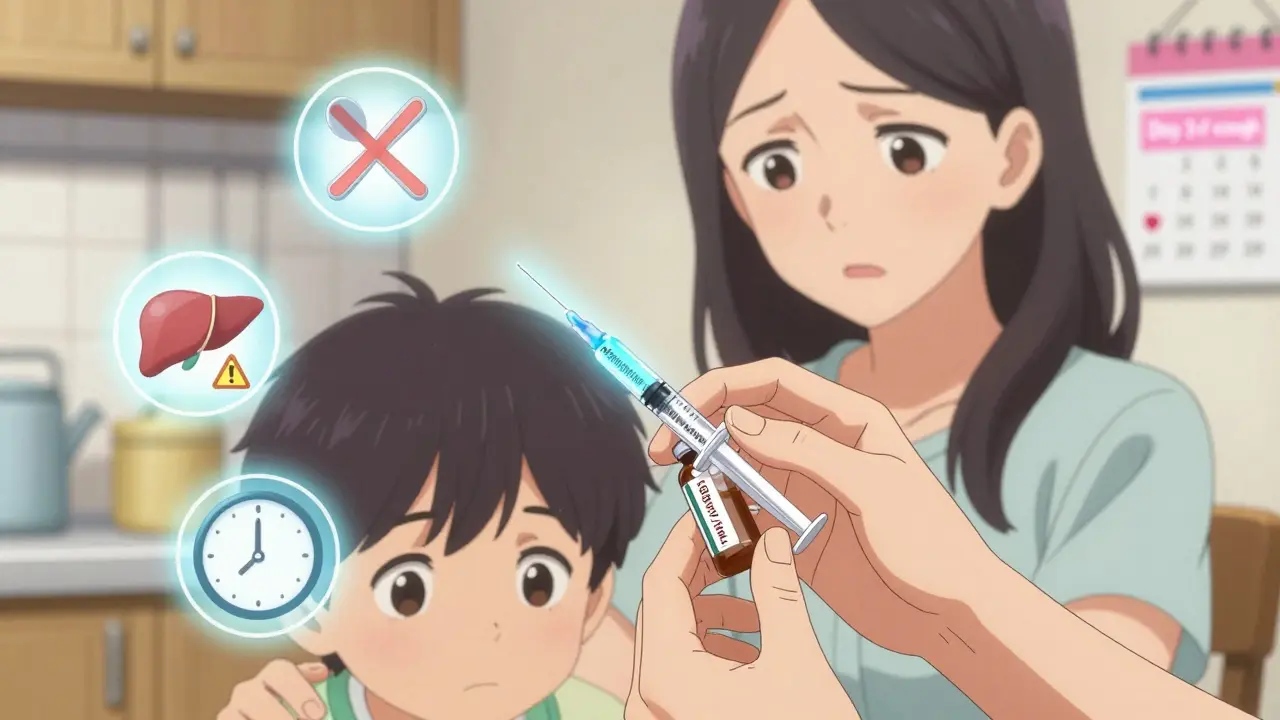
Talk to the Pharmacist - It’s Free
Pharmacists aren’t just people who hand out pills. They’re trained to spot hidden risks. They know which OTC meds interact with your prescription drugs. They know which ones are risky if you have diabetes, high blood pressure, an enlarged prostate, or heart disease. The Merck Manual warns that older adults account for half of all adverse drug reactions - even from OTC products - because they’re often on multiple medications. A 2022 study in Research in Social and Administrative Pharmacy found pharmacist consultations reduced OTC medication errors by 67%. That’s not a small boost. That’s life-saving. Don’t be shy. Walk up to the counter. Say: “I’m thinking of buying this for my cough. I’m also on blood pressure medicine. Is this safe?” They’ve heard it before. They’re trained for it. And it’s free. No appointment needed. No co-pay.Check for Interactions - Especially With Alcohol and Other Drugs
Some OTC meds are fine alone, but dangerous with other things. Here are the big ones:- Don’t mix alcohol with antihistamines (like diphenhydramine in Benadryl) or dextromethorphan (in cough syrups). It can cause extreme drowsiness or even breathing problems.
- Don’t use sleep aids if you’re already on a prescription sedative or antidepressant. The combo can slow your breathing dangerously.
- Aspirin can interfere with blood thinners like warfarin. Even low-dose aspirin for heart health can be risky if you’re on other medications.
- Decongestants like pseudoephedrine can raise blood pressure. If you have hypertension, avoid them unless your doctor says it’s okay.
Special Populations Need Extra Care
Certain groups are at higher risk:- Older adults: Metabolism slows with age. Liver and kidney function decline. What was safe at 40 might be risky at 70. Polypharmacy (taking five or more meds) is common. One extra OTC pill can tip the balance.
- Pregnant or breastfeeding people: Not all OTC meds are safe. Some antihistamines, NSAIDs like ibuprofen, and even some herbal supplements can affect the baby. Always check with a provider.
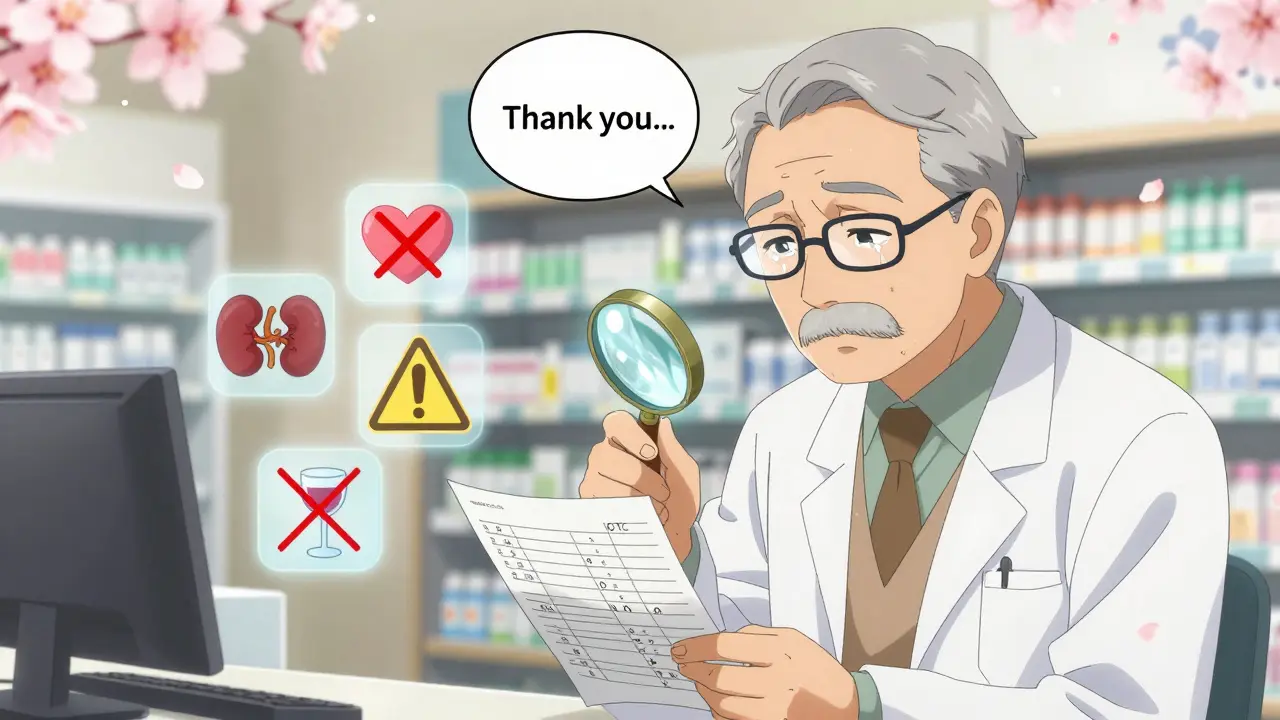
- People with chronic conditions: Diabetes? Avoid decongestants. Kidney disease? Avoid NSAIDs. Enlarged prostate? Avoid antihistamines. Heart disease? Avoid some antacids. Your condition changes what’s safe.
Use the Same Pharmacy
It sounds simple, but it matters. When you use the same pharmacy for all your prescriptions - and your OTC purchases - they build a complete picture of your medication history. That means they can flag dangerous interactions before you even walk to the counter. If you switch pharmacies often, that history gets lost. A new pharmacist won’t know you’re taking a blood thinner, or that you’re diabetic, or that you’ve had liver issues in the past. Consistency saves lives.What About Natural Remedies and Herbal Supplements?
Just because something is “natural” doesn’t mean it’s safe. Echinacea, St. John’s wort, garlic pills, ginkgo biloba - these are all supplements, not regulated like drugs. They can interact with prescriptions, affect blood pressure, or cause bleeding during surgery. The FDA doesn’t require them to prove safety before selling them. If you’re using herbal products, tell your pharmacist. Don’t assume they’re harmless. They’re not.When to Walk Away
OTC meds are great for short-term, mild symptoms. But if your symptoms don’t improve in 3-5 days, or if they get worse, stop taking the medicine and see a doctor. Same if you develop a rash, swelling, trouble breathing, or chest pain after taking something. That’s not a side effect - that’s a red flag. Don’t keep taking more pills hoping it will work. That’s how emergencies happen.Can I take two different OTC medicines at the same time?
Only if you’re sure they don’t contain the same active ingredient. Many cold, flu, and pain products include acetaminophen, ibuprofen, or antihistamines. Taking two products with the same ingredient can lead to overdose. Always check the Drug Facts label and ask your pharmacist before combining any OTC meds.
Is it safe to use expired OTC medications?
Most OTC medications lose effectiveness after their expiration date, but they’re rarely dangerous. However, liquid antibiotics, eye drops, or insulin should never be used past expiration. For pain relievers or antacids, if they’re just a few months past the date and look normal, they’re probably okay. But if they’re discolored, smelly, or crumbling - throw them out. Safety isn’t worth the risk.
How do I know if an OTC medicine is right for my condition?
Start by matching your symptoms to the “Uses” section on the Drug Facts label. If you have a headache and fever, acetaminophen or ibuprofen are common choices. If you have nasal congestion, a decongestant might help. But if you have high blood pressure, diabetes, or kidney disease, some ingredients can be harmful. Always match the medicine to your symptoms - and your health history. When in doubt, ask the pharmacist.
Are generic OTC brands as safe as name brands?
Yes. Generic OTC medications must contain the same active ingredients, strength, dosage form, and route of administration as the brand-name version. The FDA requires them to meet the same safety and effectiveness standards. The only differences are in inactive ingredients (like fillers or dyes) and price. Generics are often 50-80% cheaper. Always check the active ingredient list - not the brand name.
What should I do if I accidentally take too much of an OTC medicine?
Don’t wait for symptoms. Call Poison Control immediately at 1-800-222-1222 (U.S.) or your local emergency number. Have the medicine bottle handy so you can tell them the name and amount taken. If you’re unsure what you took, bring the bottle to the nearest emergency room. Acetaminophen overdose, for example, can cause liver damage without immediate symptoms - but treatment is most effective within 8 hours.
Choosing OTC medications isn’t about speed. It’s about awareness. It’s about knowing your body, knowing your meds, and knowing when to ask for help. The pharmacy counter isn’t just a place to buy things - it’s a safety checkpoint. Use it.


There are 12 Comments
James Hilton
So let me get this straight - we’re paying $12 for a bottle of pills that could kill us if we read the label wrong? And the FDA’s idea of safety is a tiny font and a checklist nobody reads? 😅
Mimi Bos
i just used a kitchen spoon for my kid’s tylenol last week and now im scared lol. thanks for the reminder. gonna go buy a measurin cup rn 🙃
Payton Daily
Let’s be real - this isn’t about OTC meds. It’s about the collapse of personal responsibility. We’ve turned medicine into a vending machine experience. No thought. No accountability. Just grab, swallow, and blame the system when your liver quits. The real danger isn’t acetaminophen - it’s the belief that someone else should be checking your dumb choices for you. We’re not children. Stop acting like it.
Kelsey Youmans
Thank you for this comprehensive and vital reminder. The diligence required in self-medication is often underestimated, and the consequences of oversight can be profound. I encourage all individuals to treat even the most innocuous over-the-counter remedies with the same level of scrutiny as prescribed pharmaceuticals. Professional consultation remains indispensable.
Sydney Lee
It’s pathetic. People think because it’s ‘over-the-counter,’ it’s ‘over-the-top-safe.’ You wouldn’t drive a car without reading the manual - but you’ll down three different pills with no idea what’s in them? The fact that this needs to be said in 2025 is a national disgrace. And don’t even get me started on the pharmacists who are too busy scrolling TikTok to actually help.
oluwarotimi w alaka
they dont want us to know the truth. big pharma owns the labels. the real danger is the acetaminophen they put in everything so we get liver failure and they sell us new drugs. why do you think they made it so hard to buy pseudoephedrine? they dont want you to feel better. they want you addicted.
Debra Cagwin
This is such an important post - thank you for breaking it down so clearly. If you’re ever unsure, just ask the pharmacist. Seriously. They’re there to help. No judgment, no rush. I’ve walked in with a list of 7 meds and a confused look - they made me feel like a hero for asking. You’re not being annoying. You’re being smart.
Hakim Bachiri
So… you’re telling me I can’t just take 2 Advil and 1 Tylenol because I’m ‘in pain’? Like, what? My grandpa used to take 4 pills and call it a day. You people are making medicine into a math test. I’m not a scientist. I just want my headache to go away. Why does everything have to be so complicated??
Celia McTighe
YES. 💯 I used to just grab whatever looked good until my mom had a bad reaction to a cough syrup with antihistamines. Now I always check the label, use the little cup, and ask the pharmacist. They’re literally superheroes in white coats. 🙌 Also - generics are totally fine! Saved me $20 last week 😊
Ryan Touhill
It’s fascinating how society has regressed into this state of pharmaceutical ignorance. The commodification of health has replaced education. We’ve outsourced our biological autonomy to convenience. The Drug Facts label isn’t a suggestion - it’s a covenant between the individual and their own physiology. To ignore it is not negligence - it’s existential surrender.
Teresa Marzo Lostalé
My grandma used to say, 'If it's in a bottle with a label, it's not magic.' She was right. I used to think 'natural' meant safe - until I found out my 'herbal sleep aid' had hidden benzos. Never again. Always ask. Always check. Always breathe before you swallow.
ANA MARIE VALENZUELA
Wow. So you wrote a 2000-word essay on something that should be common sense? Congrats. You just made a simple thing feel like rocket science. Most people don’t care. They just want to feel better. This post isn’t helpful - it’s anxiety-inducing. And now I’m scared to take aspirin.
Write a comment
Your email address will not be published. Required fields are marked *