
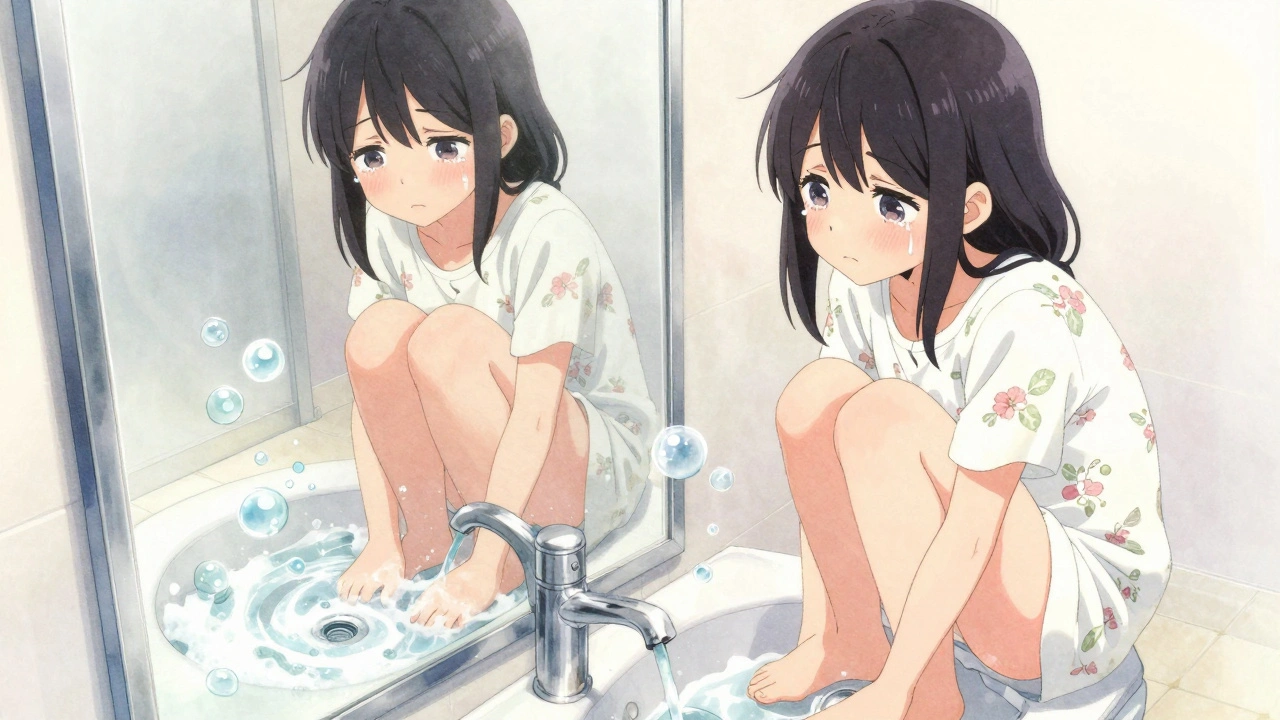
Nephrotic syndrome isn't a disease you catch like a cold. It’s a signal - a loud, clear warning from your kidneys that something’s seriously wrong inside. Imagine the filters in your kidneys, called glomeruli, suddenly developing holes. Instead of keeping protein safely in your blood, they leak it out into your urine. That’s the core problem. And when that happens, your body starts to fall apart in very visible ways: swelling, weight gain, foamy urine, and fatigue. It’s not just inconvenient - it’s dangerous if ignored.
What Exactly Is Happening in Your Kidneys?
Your kidneys work like high-tech sieves. They let waste and extra water out as urine, but they hold onto important stuff like protein, especially albumin. Albumin keeps fluid inside your blood vessels. When the glomerular filter gets damaged - often because of injured podocytes, the tiny cells that act like gatekeepers - albumin slips through. In nephrotic syndrome, you’re losing more than 3.5 grams of protein every day. That’s a massive amount. Your blood albumin drops below 3.0 g/dL. When that happens, water leaks out of your blood and pools in your tissues. That’s the swelling - or edema - you see.This isn’t just about water retention. Your liver tries to compensate by making more fat, so cholesterol and triglycerides skyrocket - often over 300 mg/dL. You might not feel it, but your blood becomes thicker, increasing the risk of clots. Kidney vein clots aren’t rare in severe cases. And because your immune system is weakened by low protein levels, infections like pneumonia or cellulitis can hit hard and fast.
Heavy Proteinuria: The First Red Flag
For many people, the first sign isn’t swelling. It’s foamy urine. Not a little foam after flushing - thick, persistent bubbles that take minutes to disappear. That’s protein pouring out. In children, parents often notice puffy eyes in the morning. It looks like allergies or lack of sleep. But if it doesn’t go away after a few days, it’s not allergies. In adults, swelling often starts in the ankles or legs, then moves up. Some report gaining 10 to 15 pounds in just a week - not from eating more, but from fluid.Doctors don’t guess. They measure. A 24-hour urine collection is the gold standard. If you’re excreting more than 3.5 grams of protein in a day, that’s nephrotic syndrome. A simple urine dipstick test can show 3+ or 4+ protein - a strong indicator. Blood tests will show low albumin and high cholesterol. No single test confirms it, but together, they paint a clear picture.
Who Gets It? Age Matters a Lot
Nephrotic syndrome looks different depending on your age. In kids, especially between ages 2 and 6, it’s usually minimal change disease. That’s the good kind. The kidneys look normal under a microscope, but the filter is temporarily broken. It responds well to steroids. About 9 out of 10 children go into remission within a month of starting treatment.In adults, it’s more complicated. Focal segmental glomerulosclerosis (FSGS) is the most common cause - about 40% of cases. This is scarring in parts of the kidney filters. Membranous nephropathy is next, making up 30%. That’s often linked to autoimmune issues or infections like hepatitis B. Diabetes is a major player too - especially in older adults. About 1 in 3 adults with nephrotic syndrome have diabetes as the root cause.
Less common but serious are genetic forms. Congenital nephrotic syndrome, caused by gene mutations like NPHS1, shows up in babies under 3 months old. They’re losing over 10 grams of protein daily. These cases need specialized care, often including early kidney transplant. And then there are secondary causes: lupus, certain medications like NSAIDs or penicillamine, and even some cancers. Finding the cause isn’t just academic - it determines how you treat it.
How Is It Diagnosed? Biopsy Isn’t Always Needed
Not everyone needs a kidney biopsy. In children with classic symptoms - sudden swelling, high protein, low albumin - doctors often start steroids right away. If they respond within 4 weeks, it’s almost certainly minimal change disease. No biopsy needed.But in adults, or in kids who don’t respond to steroids, a biopsy is critical. It tells you if it’s FSGS, membranous nephropathy, or something else. That changes everything. For example, if it’s membranous nephropathy caused by hepatitis B, treating the virus might fix the kidney problem. If it’s FSGS from an unknown cause, you need stronger immunosuppressants.
Doctors also check for complications. A blood clotting panel, liver function tests, and viral screenings (for hepatitis, HIV) are standard. Blood pressure is monitored closely - high blood pressure speeds up kidney damage.
First-Line Treatment: Steroids and Beyond
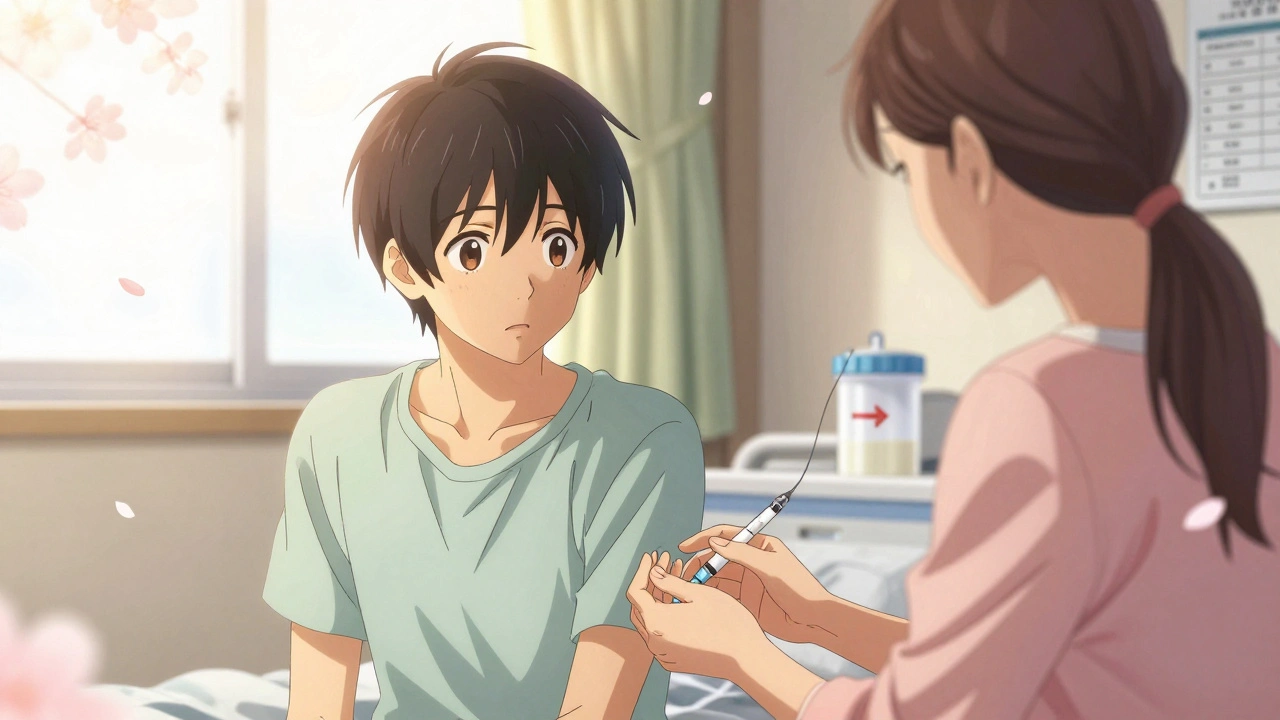
For children with minimal change disease, prednisone is the go-to. Dosed at 60 mg per square meter of body surface area (up to 80 mg daily) for 4 to 6 weeks, then slowly tapered over months. Most kids respond fast - swelling goes down, protein disappears. But relapses are common. About 6 in 10 will have at least one return, often after a cold or flu.Adults get similar drugs, but they’re less responsive. Only 60 to 70% go into remission with steroids. And side effects are harsh: weight gain, moon face, mood swings, high blood sugar. That’s why many adults get other drugs sooner. Calcineurin inhibitors like cyclosporine or tacrolimus are common next steps. They work by calming the immune system differently than steroids.
For steroid-resistant cases, especially in FSGS, rituximab is becoming standard. It targets B-cells, which are involved in the immune attack on the kidneys. In trials, it reduced proteinuria by over 50% in half the patients. It’s expensive - around $2,000 per dose - but it can save kidneys from failing.
Medications That Protect Your Kidneys
Even if you’re not in remission, two types of drugs are essential: ACE inhibitors and ARBs. These are blood pressure meds - but they do more. They directly reduce protein leakage from the kidneys. Studies show they cut proteinuria by 30 to 50%. That’s huge. Even if your blood pressure is normal, you still take them. The goal? Keep it under 130/80. Every point lower reduces long-term damage.There’s new hope. Sparsentan, a dual blocker of angiotensin and endothelin, showed a 47.6% drop in proteinuria in FSGS patients - far better than older drugs. It’s not yet widely available, but it’s a major step forward. Budesonide, a targeted steroid that releases slowly in the kidneys, got FDA approval in 2023 for IgA nephropathy and is being tested in FSGS. It causes fewer side effects than oral steroids.
Diet and Lifestyle: What You Can Do
Medication alone isn’t enough. Diet plays a huge role. Sodium is the enemy. More than 2,000 mg a day makes swelling worse. That means no processed food, no canned soups, no fast food. Read labels. Cook at home. Use herbs instead of salt.Protein intake needs balance. Too little and your body breaks down muscle. Too much and you overload your kidneys. The sweet spot is 0.8 to 1.0 gram of protein per kilogram of body weight. So a 70 kg adult needs about 56 to 70 grams a day - roughly two servings of lean meat or tofu.
Cholesterol matters too. Eat more fiber - oats, beans, vegetables. Avoid saturated fats. Some patients need statins, but diet comes first.
Stay active. Movement helps circulation and reduces clot risk. But avoid contact sports if you’re on immunosuppressants - your infection risk is higher.
Watch for Danger Signs
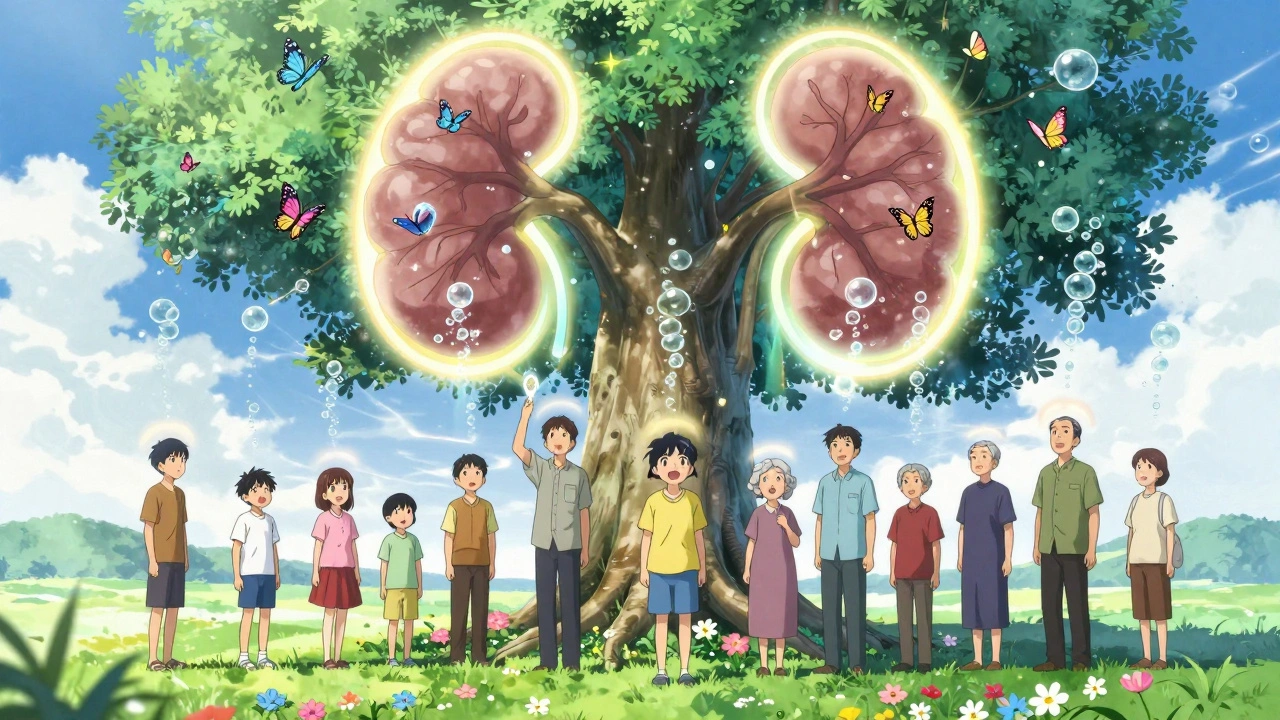
Nephrotic syndrome isn’t just about swelling. It’s a ticking time bomb for complications. Blood clots are the most dangerous. If you suddenly get severe leg pain, shortness of breath, or chest pain - get to a hospital. Renal vein thrombosis is real. Infections are another silent threat. Fever, even mild, could mean pneumonia or peritonitis. Vaccines are crucial - flu shot, pneumococcal, hepatitis B. But avoid live vaccines like MMR or chickenpox while on steroids or immunosuppressants.Weight gain of more than 2 pounds in a day? That’s fluid. Call your doctor. Protein in your urine returning after remission? That’s a relapse. Don’t wait. Start treatment early.
What Does the Future Hold?
Research is moving fast. The NEPTUNE study found three molecular subtypes of FSGS - each might respond to different drugs. One group responds to steroids, another to rituximab, and a third might need future podocyte-protective drugs. These are drugs that fix the actual filter cells, not just suppress the immune system. Early animal studies show 60-70% reduction in proteinuria with Rho kinase inhibitors. Human trials are coming.Genetic testing is now recommended for babies under 1 year old or those with a family history. If it’s a gene mutation, steroids won’t help. You avoid years of unnecessary treatment and side effects.
Prognosis: It Depends on the Cause
Your long-term outlook hinges on what caused it. Minimal change disease? Almost everyone keeps their kidneys for life. FSGS? About half will need dialysis or transplant in 10 years. Membranous nephropathy? Better - 60 to 80% survive 10 years without kidney failure. But if you have diabetes and nephrotic syndrome? Your odds drop to 40 to 50%. And if proteinuria stays above 1 gram per day after treatment? Your risk of kidney failure jumps 4.2 times.Complete remission is the goal. Not partial. Not better. Complete. That’s when your urine protein drops to trace or negative for three straight tests. That’s when your swelling disappears. That’s when your albumin climbs back up. And that’s when your risk of complications plummets.
Living With It: Real Talk
Parents of kids with nephrotic syndrome often say the hardest part isn’t the medicine - it’s the unpredictability. One week, your child is fine. The next, they’re swollen and tired after a sniffle. Relapses happen 2 to 3 times a year on average. It’s exhausting. But most kids grow out of it by adolescence.Adults talk about the stigma. Weight gain from steroids makes people assume you’re lazy or undisciplined. The swelling makes you look like you’ve gained weight. But it’s not fat - it’s fluid. It’s not your fault. Support groups, like those from the National Kidney Foundation, help. Talking to others who get it makes a difference.
There’s hope. We know more now than ever. Treatments are getting smarter. Side effects are being minimized. And the goal isn’t just survival - it’s living well, with few restrictions, and kidneys that last.



There are 15 Comments
Ernie Blevins
Ted Rosenwasser
Helen Maples
Ashley Farmer
David Brooks
Nicholas Heer
Nancy Carlsen
Jennifer Anderson
Sadie Nastor
Kyle Flores
Ryan Sullivan
Wesley Phillips
Olivia Hand
Desmond Khoo
Kyle Oksten
Write a comment
Your email address will not be published. Required fields are marked *