
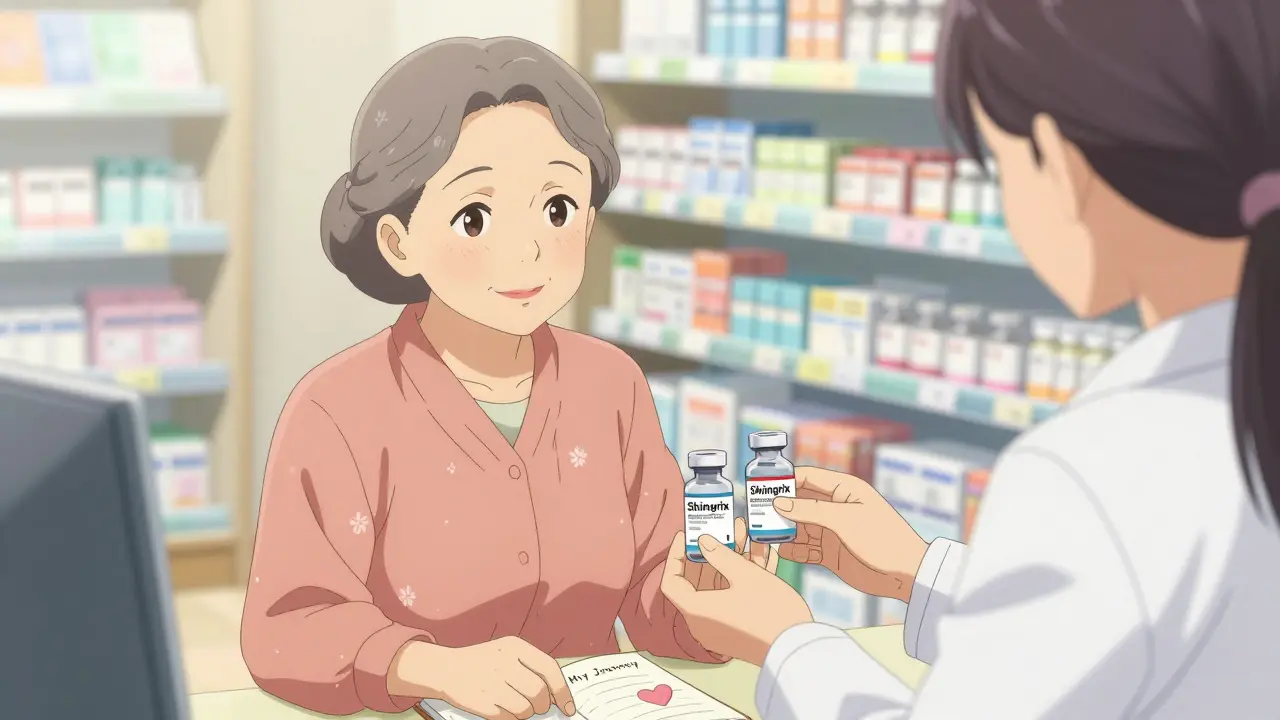
Shingles isn’t just a rash. For many people, it’s months of burning pain, sleepless nights, and a risk of long-term nerve damage that doesn’t go away. The good news? There’s a vaccine that works better than anything we’ve had before. Shingrix, the recombinant zoster vaccine, is now the gold standard for preventing shingles-and it’s not just for older adults. If you’re 50 or older, or even younger but immunocompromised, you need to know who this vaccine is for and why it matters.
Who Exactly Needs the Shingrix Vaccine?
If you’re 50 or older, you should get Shingrix. That’s it. No exceptions. The CDC recommends it for every adult in this age group, no matter if you’ve had shingles before, got the old Zostavax shot, or think you’re too healthy to worry. Shingles can strike anyone who’s had chickenpox-and that’s almost everyone over 40. The virus stays hidden in your nerves for decades, then wakes up when your immune system slows down. Age is the biggest trigger, but it’s not the only one.
Here’s the key update: if you’re 19 or older and your immune system is weakened by disease or treatment, you also need Shingrix. That includes people with HIV, cancer patients on chemotherapy, organ transplant recipients, and those taking high-dose steroids or biologics for autoimmune diseases like rheumatoid arthritis or Crohn’s. The old vaccine, Zostavax, was unsafe for these groups because it used a live virus. Shingrix doesn’t. It’s made from a piece of the virus, not the whole thing. That’s why it’s safe for people with weak immune systems-and why it’s now the only shingles vaccine available in the U.S.
Why Shingrix Over the Old Vaccine?
Zostavax is gone. It was pulled off the market in late 2020 because it just wasn’t good enough. It prevented shingles in about half the people who got it. Shingrix? It stops shingles in more than 90% of people, no matter their age. For those over 70, it still works at 91% effectiveness. That’s not a small improvement-it’s a game-changer.
And it doesn’t just stop the rash. Shingles often leads to postherpetic neuralgia, a type of nerve pain that can last for months or years. Zostavax cut that risk by about two-thirds. Shingrix cuts it by 90%. That means fewer people stuck with pain that doesn’t respond to regular painkillers, fewer ER visits, fewer nights spent in agony.
The science behind it is simple: Shingrix uses a protein from the virus (glycoprotein E) and adds a powerful immune booster (AS01B). This combination tricks your body into building a strong, lasting defense. Zostavax just gave you a weakened version of the virus. Your immune system didn’t respond as well, especially as you aged. Shingrix forces your immune system to pay attention-even when it’s slowing down.
How Many Shots Do You Need?
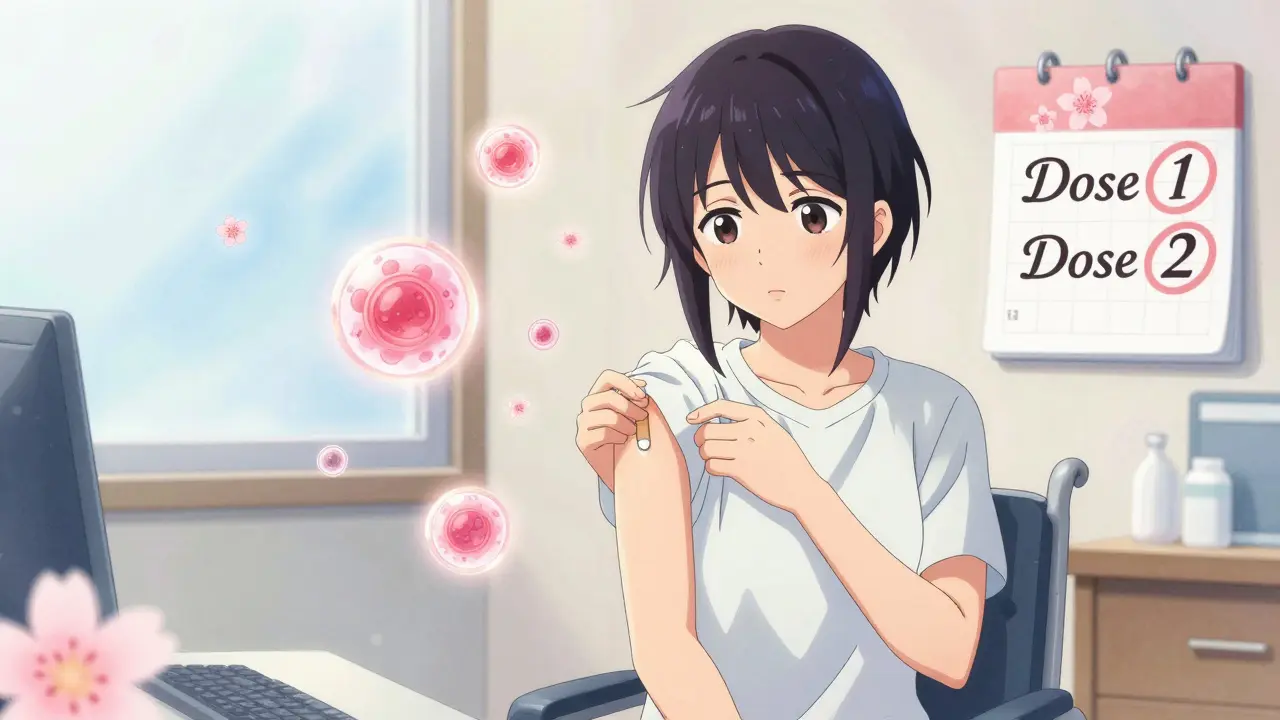
Shingrix isn’t a one-and-done shot. You need two doses. The first shot gets your immune system started. The second shot, given 2 to 6 months later, locks in the protection. This two-dose system is why the vaccine is so effective. Missing the second shot means you’re not fully protected.
There’s one exception: if you’re immunocompromised, you can get the second dose as early as 1 to 2 months after the first. That’s because your body might not hold onto the protection as long, and you need full immunity sooner. Your doctor will know if this applies to you.
Even if you got Zostavax years ago, you still need two doses of Shingrix. The CDC says so. It doesn’t matter if you had it last year or 10 years ago. Zostavax didn’t give you lasting protection, and Shingrix is stronger. Wait at least 8 weeks after your Zostavax shot before starting Shingrix, but don’t wait longer than five years. The sooner you switch, the better protected you’ll be.
What Are the Side Effects?
Let’s be honest: Shingrix hurts-more than most vaccines. About 80% of people feel pain, redness, or swelling at the injection site. Nearly half feel achy, tired, or get a headache. One in five feels feverish or shakes. These aren’t rare side effects-they’re normal. And they’re temporary.
Most people feel lousy for 2 to 3 days. Some can’t work or do chores. But here’s what people don’t tell you: those who’ve had shingles before usually say, “I’d take three days of feeling bad to avoid another shingles outbreak.” That’s the trade-off. The pain from the vaccine fades. The pain from shingles can last for years.
If you’ve had a serious allergic reaction to any part of Shingrix before, don’t get it. That’s the only real reason to skip it. If you’re sick with a fever right now, wait until you’re better. Otherwise, get it. The side effects are unpleasant, but they’re not dangerous. They’re your immune system doing its job.
Who Shouldn’t Get Shingrix?
Very few people should avoid it. If you’ve ever had a life-threatening allergic reaction to Shingrix or any of its ingredients, don’t get it again. That’s it. You can get it if you’ve had shingles. You can get it if you’re on low-dose steroids. You can get it if you have diabetes, high blood pressure, or COPD. In fact, people with those conditions are at higher risk for complications from shingles, so they need it even more.
One common myth: if you’re allergic to eggs, you can’t get Shingrix. Not true. Shingrix doesn’t use eggs in production. Same goes for gelatin or latex. The vaccine is safe for most people with common allergies.
The only real barrier is fear of side effects. But if you’re avoiding the vaccine because you’re scared of a few days of fatigue, ask yourself: would you rather have that-or months of nerve pain that won’t go away?
How Much Does It Cost?
Shingrix costs about $175 for both doses. That sounds expensive, but most insurance plans cover it fully. Medicare Part D covers it with no out-of-pocket cost for eligible adults. Most private insurers do too. If you’re on Medicaid, check with your state-coverage varies, but many states cover it for those over 50.
If you’re uninsured, look into vaccine assistance programs. GlaxoSmithKline, the maker of Shingrix, has a patient assistance program for people who can’t afford it. Pharmacies like CVS, Walgreens, and local health clinics often offer it at reduced rates. Don’t let cost stop you. The cost of treating shingles-doctor visits, pain meds, missed work-is far higher.
Where Can You Get It?
You don’t need to see your doctor for a prescription. Pharmacies can give you Shingrix. Walk into any major pharmacy chain-CVS, Walgreens, Rite Aid, or your local pharmacy-and ask for the shingles vaccine. They’ll check your records, ask if you’ve had it before, and give you both doses if needed. Many offer same-day appointments.
Primary care doctors and clinics can give it too. If you’re immunocompromised, your specialist might recommend getting it in their office to monitor you afterward. But for most people, the pharmacy is faster and easier.

What If You Only Got One Dose?
If you got the first dose but never came back for the second, you’re not fully protected. The first shot gives you some defense, but it’s not enough. You need the second to reach 90%+ effectiveness. Don’t wait. Even if it’s been a year, go back. The CDC says you can still get the second dose anytime within the 2-6 month window, and even beyond if you’ve delayed. You don’t need to start over. Just get the second shot as soon as you can.
How Long Does Protection Last?
Studies show Shingrix protects for at least 7 years-and likely longer. Current data suggests protection may last 15 to 20 years. So far, there’s no evidence that a booster is needed within the first decade. That’s a big win. Most vaccines need boosters every few years. Shingrix gives you long-lasting defense with just two shots.
Health officials are still watching for signs of waning immunity, especially in older adults. But for now, if you got both doses, you’re protected for the long haul.
Final Thought: Don’t Wait Until It’s Too Late
Shingles doesn’t care if you’re healthy, active, or young at heart. It only cares if you’ve had chickenpox-which you probably have. And once it strikes, it can ruin your life. The vaccine is safe, effective, and covered by insurance. The side effects are temporary. The pain from shingles? Not always.
If you’re 50 or older, get both doses of Shingrix. If you’re 19 or older and your immune system is weakened, get both doses. Don’t wait for a rash to appear. Don’t wait for your doctor to bring it up. Take control. Ask for the vaccine. Get it done. Your future self will thank you.
Can I get Shingrix if I’ve already had shingles?
Yes. Even if you’ve had shingles before, you should still get Shingrix. The vaccine helps prevent future outbreaks. The CDC recommends two doses for anyone 50 or older, regardless of past shingles history. Getting the vaccine after an outbreak reduces your chance of getting it again.
Is Shingrix safe for people with autoimmune diseases?
Yes. Shingrix is a non-live vaccine, so it’s safe for people with autoimmune conditions like lupus, rheumatoid arthritis, or multiple sclerosis-even if they’re taking immunosuppressants. The CDC specifically recommends it for adults 19 and older with these conditions. Talk to your doctor about timing, especially if you’re starting a new treatment.
Can I get Shingrix at the same time as my flu shot or COVID booster?
Yes. Shingrix can be given at the same visit as other vaccines, including flu, pneumonia, or COVID-19 shots. Just use different arms. There’s no evidence that combining vaccines reduces effectiveness or increases side effects. This makes it easier to stay up to date on all your shots in one trip.
What if I’m over 80? Is Shingrix still effective?
Yes. While effectiveness drops slightly with age, Shingrix still prevents shingles in 91% of people aged 70 and older. It’s the most effective option available for this group. Even if your immune system is weaker, the vaccine’s adjuvant system helps boost your response. Don’t skip it just because you’re older.
Do I need a prescription for Shingrix?
No. In most states, pharmacists can administer Shingrix without a prescription if you meet the CDC guidelines (age 50+ or immunocompromised age 19+). Bring your insurance card and vaccination history if you have it. If you’re unsure, call ahead to confirm your pharmacy offers it.




There are 15 Comments
Dusty Weeks
Bill Medley
Richard Thomas
Paul Ong
Donna Peplinskie
Liam George
sharad vyas
jaspreet sandhu
Alex Warden
Lee M
Kristen Russell
Sally Denham-Vaughan
Andy Heinlein
Ann Romine
Layla Anna
Write a comment
Your email address will not be published. Required fields are marked *