

When you're on a blood thinner, even a small cut can feel terrifying. You know the medicine is saving your life by stopping dangerous clots-but it also makes you bleed more easily. The real question isn't whether you'll bleed. It's: when do you need to rush to the emergency room?
What Counts as Normal Bleeding?
Not every bleed is an emergency. If you're on a blood thinner, your body takes longer to clot. A minor cut might ooze for 5 to 7 minutes instead of 2 or 3. A nosebleed might last 10 to 15 minutes. Bleeding gums after brushing? Common. A small bruise after bumping your arm? Expected.These are called nuisance bleeds. They’re annoying, they make you anxious, and yes-they send a lot of people to the ER. But they’re not life-threatening. A 2023 survey by Stop the Clot found that over half of all emergency visits by people on blood thinners were for these kinds of bleeds. And here’s the catch: 73% of them could have been handled with a quick call to your doctor.
Here’s what to do for minor bleeding:
- For cuts: Apply firm, continuous pressure with a clean cloth or bandage for at least 10 minutes. Don’t peek. Checking every 30 seconds resets the clock. Elevate the wound if it’s on an arm or leg.
- For nosebleeds: Pinch the soft part of your nose (not the bony bridge) and lean slightly forward. Hold for 10 to 15 minutes. Spit out any blood-don’t swallow it. Avoid blowing your nose for the next few hours.
- For gums: Bite down on a damp tea bag. Tannins help constrict blood vessels. Rinse gently with cold water afterward.
Never use hydrogen peroxide or alcohol on a wound. They irritate tissue and slow healing. Stick to clean pressure and time.
When It’s an Emergency: The Red Flags
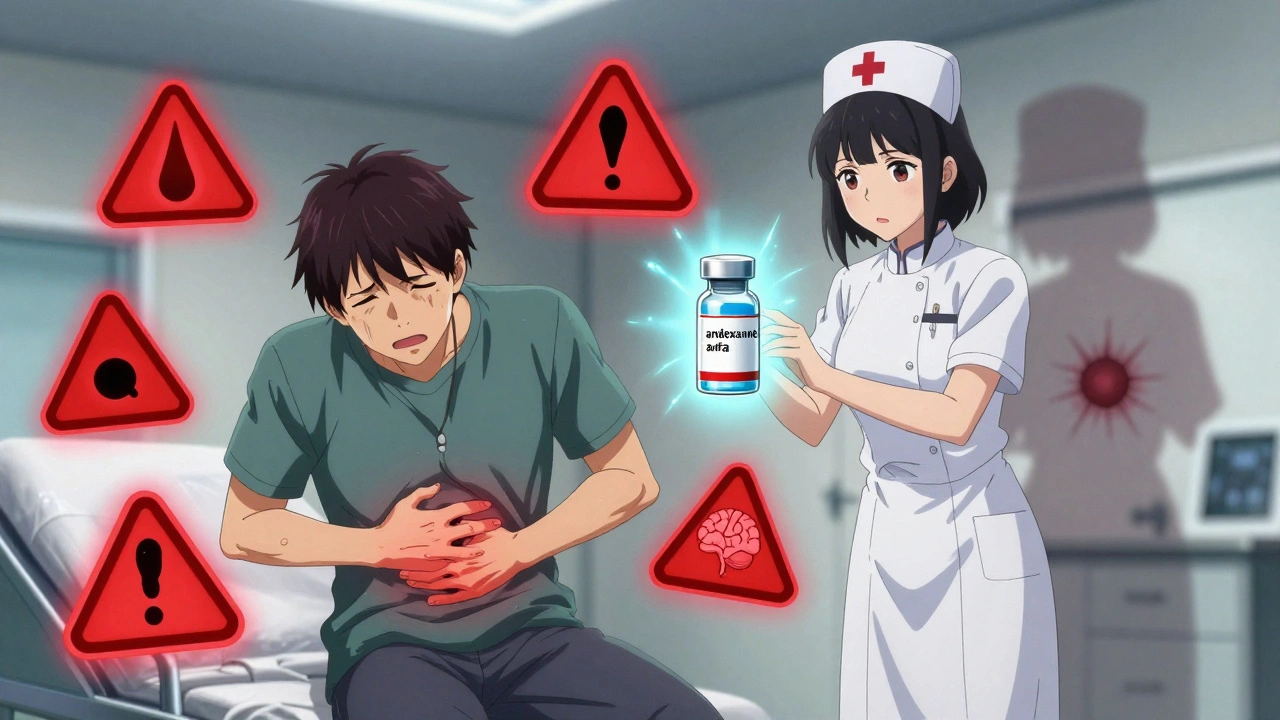
Some bleeds can’t be stopped at home. If you see any of these signs, call 000 or go to the nearest emergency department right away:- Bleeding that won’t stop after 15 minutes of firm pressure. This is the golden rule. If pressure doesn’t work, it’s not just a bleed-it’s a warning.
- Vomiting blood or coughing up blood. Bright red or dark, coffee-ground-looking blood means internal bleeding in your stomach or lungs. This is serious.
- Blood in your urine. Pink, red, or brown urine isn’t normal. It could mean bleeding in your kidneys or bladder.
- Black, tarry, or sticky stools. This is digested blood from your GI tract. It’s a classic sign of a bleeding ulcer or intestinal bleed.
- Severe, unexplained bruising. Big, purple, spreading bruises without a clear injury? Especially on your back, abdomen, or thighs. That’s a red flag for internal bleeding.
- Sudden, severe headache, dizziness, confusion, or vision changes. Even if you didn’t hit your head, a bleed in your brain can develop slowly. You might feel fine at first, then crash hours later.
- Any head injury, no matter how minor. A bump on the head, a fall, a car accident-even if you feel okay-get checked. Intracranial bleeds can hide for 24 to 72 hours.
- Severe back or abdominal pain. This could mean bleeding behind your abdomen or around your spine. It’s rare, but deadly if missed.
- Heavy menstrual bleeding. Soaking through a pad or tampon every hour for several hours? That’s not normal. Call your doctor or go to the ER.
These aren’t just inconvenient-they’re life-threatening. Gastrointestinal bleeding, intracranial hemorrhage, and retroperitoneal bleeds can lead to shock within an hour. The American College of Surgeons says you can lose up to 15% of your total blood volume before you feel lightheaded. By the time you’re dizzy, you’re already in danger.
Why Stopping Your Medication Is Riskier Than Bleeding
Here’s the biggest mistake people make: they stop their blood thinner after a bleed.One Reddit user, u/BloodThinnerAnxiety, went to the ER three times for nosebleeds. Each time, the doctor told them to keep taking their medicine. But after one bad cut, they panicked and stopped. Two weeks later, they had a pulmonary embolism. “Don’t be like me,” they wrote.
That’s not rare. The Michigan Anticoagulation Quality Improvement Initiative found that 68% of patients who stopped their blood thinner after minor bleeding had a clot within 30 days. One in four had a stroke or heart attack.
Stopping your medication for even 24 to 48 hours increases your risk of clotting by up to 300%. That’s because blood thinners don’t just prevent clots-they keep your blood from turning into a sticky mess. Once you stop, clotting factors rebound fast.
Your doctor doesn’t want you to bleed. But they want you to live more than they want you to avoid a bruise.
What’s Different About Newer Blood Thinners?
Most people today are on direct oral anticoagulants (DOACs) like apixaban (Eliquis), rivaroxaban (Xarelto), or dabigatran (Pradaxa). These replaced warfarin for most patients because they’re easier to use-no regular blood tests, fewer food interactions.But they’re not risk-free. The ARISTOTLE trial showed apixaban has the lowest major bleeding rate among DOACs: 2.13 events per 100 patient-years. Warfarin? 3.77. That’s a 40% lower risk.
And here’s something new: reversal agents. In 2023, andexanet alfa (Andexxa) became available to reverse apixaban and rivaroxaban. It cuts the time to stop bleeding from 3 to 4 hours down to under an hour. That’s a game-changer in the ER.
By 2026, a universal reversal agent called ciraparantag could be approved. It works on all blood thinners-warfarin, heparin, DOACs. That means emergency teams will be able to act faster, no matter what you’re taking.
What to Do Before You Need the ER
Don’t wait for a crisis. Be prepared:- Carry a medical ID card or bracelet that says you’re on a blood thinner. Include the name of your medication and your doctor’s contact info.
- Keep a list of all your meds, including doses and when you last took them. Emergency staff need this fast.
- Know your local ER’s policy. Some hospitals have anticoagulation clinics on-call 24/7. Ask your pharmacist or doctor.
- Set up a telehealth plan. Many clinics now offer after-hours video consults for bleeding concerns. Use them before you drive to the ER.
- Don’t take NSAIDs like ibuprofen or naproxen. They make bleeding worse. Use paracetamol (acetaminophen) for pain instead.
Education works. A 2022 study in the American Journal of Managed Care found that patients who got structured bleeding education cut their unnecessary ER visits by 37%. They also stayed on their meds longer-33% better adherence.

Final Thought: Trust Your Instincts, But Don’t Panic
Bleeding on a blood thinner is scary. It’s normal to feel anxious. But fear shouldn’t drive your decisions. Learn the difference between nuisance bleeds and true emergencies. Know your signs. Know your plan.Most of the time, pressure and patience are enough. But if something feels wrong-if you’re dizzy, short of breath, or bleeding won’t stop-don’t wait. Don’t call your doctor first. Go to the ER. Your life depends on it.
Can I still take aspirin while on a blood thinner?
No, unless your doctor specifically says so. Aspirin is a blood thinner too. Taking it with another anticoagulant doubles your bleeding risk. Even low-dose aspirin can cause dangerous internal bleeding. Always check with your doctor before adding any new medication, including over-the-counter ones.
What should I do if I fall and hit my head but feel fine?
Go to the emergency department. Even if you feel okay, internal bleeding in the brain can take hours or days to show symptoms. You might have a headache, nausea, or confusion later-and by then, it could be too late. Emergency teams can do a quick CT scan to rule out a bleed. It’s better to be safe.
How long should I wait before calling my doctor about a nosebleed?
If it lasts longer than 30 minutes despite firm pressure, call 000 or go to the ER. If it stops within 15 to 20 minutes, it’s likely not an emergency. But if you’re having frequent nosebleeds-more than once a week-schedule a check-up. Your doctor may adjust your dose or check for other causes like high blood pressure or nasal dryness.
Can I use a menstrual cup while on a blood thinner?
Yes, but be extra careful. Heavy bleeding is more common on blood thinners. If you’re soaking through a cup in under 2 hours, or if you feel dizzy or weak, it’s not normal. Remove the cup and seek medical help. Don’t assume it’s just your period. Your doctor may need to check your hemoglobin levels.
Do I need to stop my blood thinner before surgery or dental work?
Never stop on your own. For minor dental work like fillings or cleanings, you usually don’t need to stop. For major surgery, your doctor and surgeon will decide together. Many procedures can be done safely while you’re still on your blood thinner, especially with newer agents. Stopping increases your risk of stroke or clot more than the bleeding risk from the procedure.
Next Steps: Stay Informed, Stay Safe
If you’re on a blood thinner, you’re part of a growing group-over 4 million Americans and countless others worldwide. You’re not alone. But you need to be smart. Learn your medication. Know your risks. Keep your emergency plan handy.Ask your pharmacist for a printed bleeding action plan. Ask your doctor if your clinic offers telehealth for minor concerns. Talk to others in support groups. You’ll find that most people who manage this well don’t panic-they prepare.
Bleeding on a blood thinner isn’t a reason to stop living. It’s a reason to be smarter, better informed, and ready.




There are 17 Comments
Gillian Watson
Jessica Baydowicz
Joe Lam
Gareth Storer
Yasmine Hajar
Benjamin Sedler
Rudy Van den Boogaert
Pavan Kankala
John Filby
Jenny Rogers
Libby Rees
Rebecca Braatz
Elizabeth Crutchfield
michael booth
Bill Wolfe
Alex Piddington
Shofner Lehto
Write a comment
Your email address will not be published. Required fields are marked *