
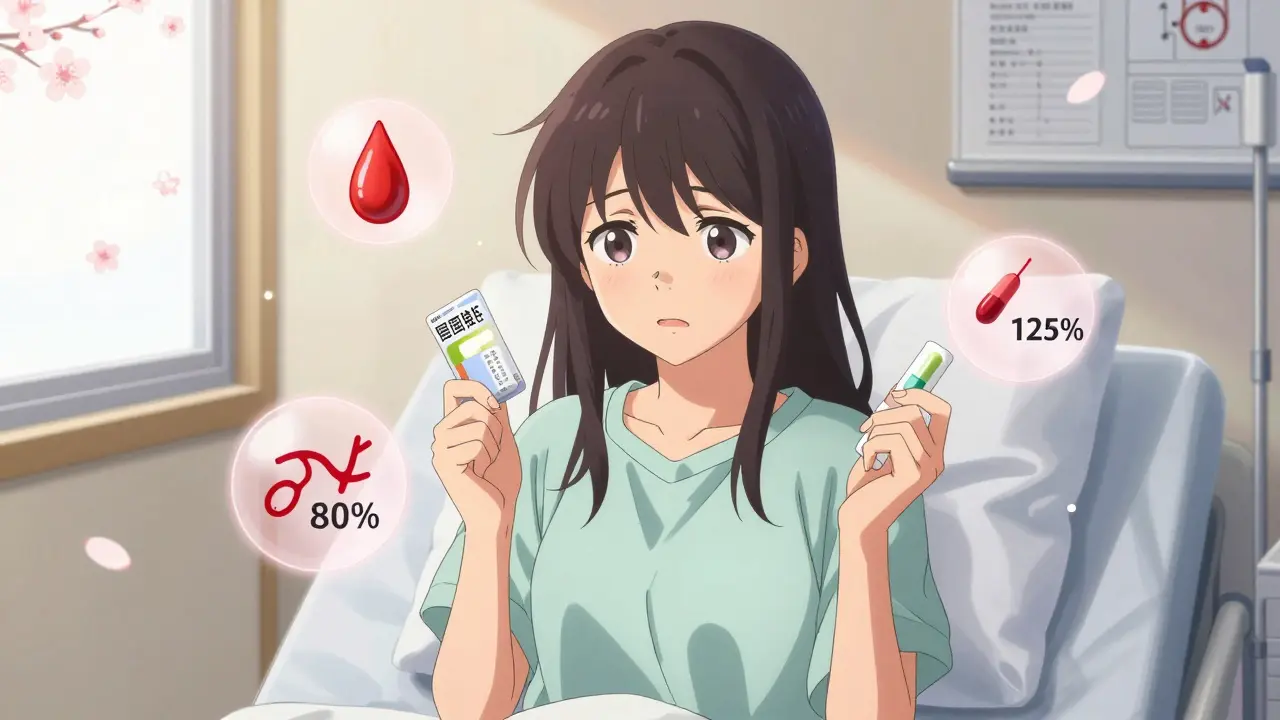
When your prescription switches from a brand-name drug to a generic, it’s easy to wonder: Is this really the same thing? Will it work just as well? Will I feel worse? These aren’t just worries - they’re real questions backed by decades of clinical data. The truth isn’t black and white. For most people, switching to a generic drug is safe, effective, and saves money. But for some, especially those on medications with tight dosing windows, the switch can trigger real problems - and the research shows exactly when and why.
What Does "Bioequivalent" Actually Mean?
The FDA doesn’t just approve generics because they look similar. To be approved, a generic must deliver the same amount of active ingredient into your bloodstream within the same time frame as the brand-name version. That’s called bioequivalence. The standard allows for a 20% difference in absorption - meaning the generic can be as low as 80% or as high as 125% of the brand’s level in your blood. On paper, that sounds fine. But when you’re taking a drug where even a 10% drop could mean a seizure or a blood clot, that 20% window becomes a gray zone.
Think of it like this: If your blood pressure medication needs to stay between 5 and 7 units to work, a brand that delivers 6.5 units is ideal. A generic that delivers 5.2 units? Still in range. But one that delivers 4.8? Now you’re at risk. That’s why drugs like phenytoin, levetiracetam, and warfarin - called narrow therapeutic index (NTI) drugs - are handled differently.
Antiepileptic Drugs: When Generics Can Trigger Seizures
One of the clearest red flags comes from epilepsy treatment. A 2017 study tracking 760 patients found that after switching from brand-name levetiracetam to a generic, nearly one in five experienced side effects: blurred vision, headaches, depression, memory loss, aggression. One patient even had a seizure after switching - and their blood test showed a 31% drop in drug levels. That’s not a fluke. In another study, 48.6% of patients who had breakthrough seizures after switching to a generic had lower serum levels than when they were on the brand.
It’s not just levetiracetam. Generic phenytoin showed 22% to 31% lower blood concentrations compared to the brand. That’s enough to make the difference between control and crisis. The American Academy of Neurology doesn’t say generics are unsafe - it says some patients need monitoring. If you’re on an antiepileptic, don’t assume the switch is harmless. Ask your doctor about checking your drug levels after the change.
Heart Medications: The Surprising Upside
Here’s where the story flips. A massive 2020 study in Nature Scientific Reports looked at 8.5 million Austrians over five years. They compared outcomes for 17 common heart drugs - from statins to beta-blockers. The results? Generics were linked to fewer deaths and fewer heart attacks or strokes in 11 out of 17 drugs. For simvastatin, the risk of death dropped by 22%. For atorvastatin, it dropped by 15%.
Why? Probably because generics are cheaper. People stick with them. The same study found that patients on branded blood pressure meds were 23% more likely to stop taking their pills altogether. When you skip doses, your blood pressure spikes - and that’s dangerous. Generics, by lowering cost, improve adherence. That’s a win.
But not all heart drugs behave the same. Bisoprolol and nebivolol - two beta-blockers - showed worse outcomes with generics. That’s unusual. Researchers still aren’t sure why. Maybe differences in inactive ingredients. Maybe variations in how the body absorbs them. The point? Don’t generalize. Each drug is its own story.
Why Some Patients Switch Back - And Why It Matters
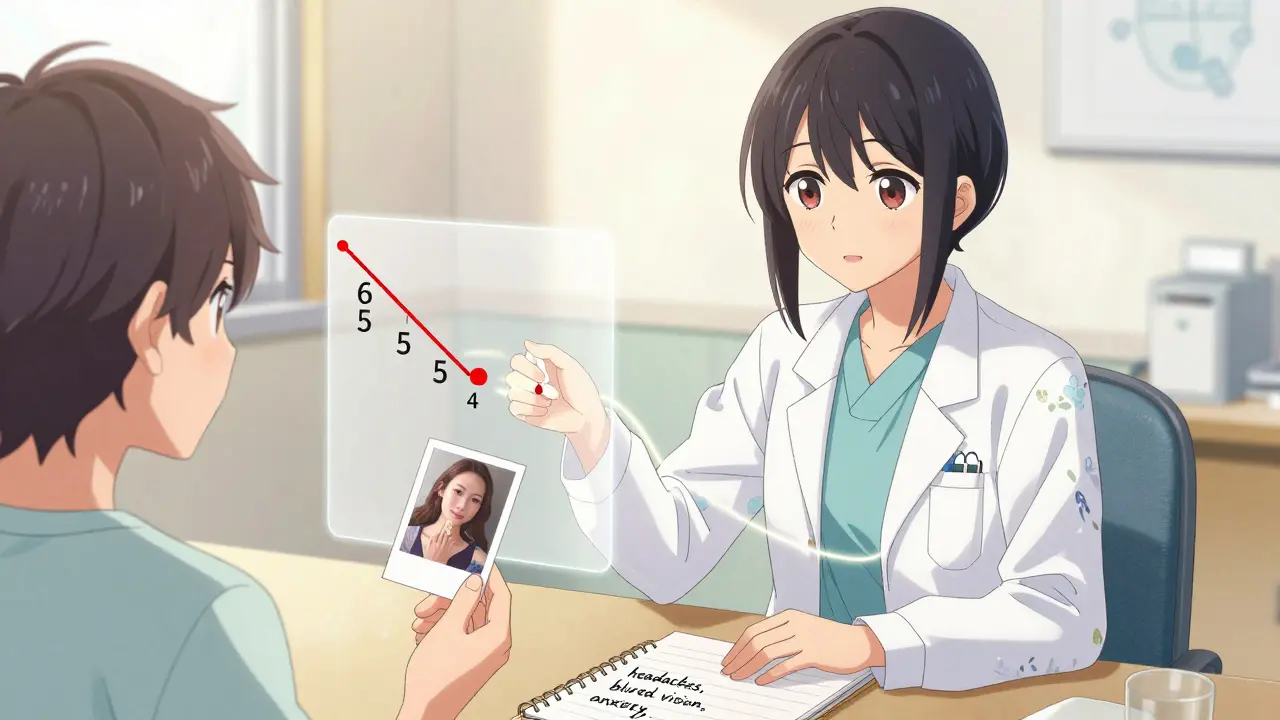
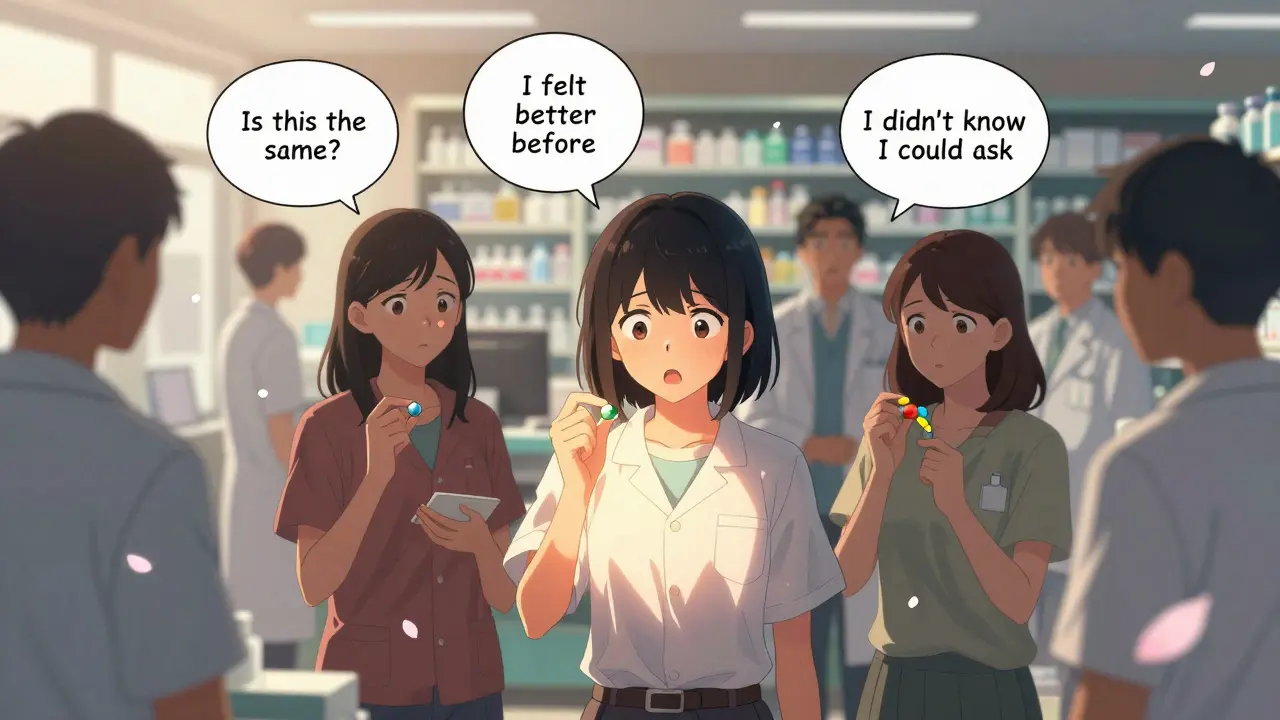
A 2023 study tracked 218 patients over five years. Only 19.7% knew what their medication was for. Sixty-seven percent identified their pills by color or shape. That’s a problem. When a pill changes color - because a different generic manufacturer made it - patients think they’ve been given the wrong drug. Some stop taking it. Others double up. One in nine patients ended up taking two of the same drug without realizing it.
And here’s the kicker: 12.8% of patients switched back from generic to brand. Not because they were sick - but because they felt off. They didn’t know why. Their doctor didn’t ask. The system didn’t track it. This isn’t just about efficacy. It’s about trust. If you feel different after a switch - even slightly - and no one listens, you’ll stop trusting the system. And that’s worse than any side effect.
How Switching Happens - And Who Controls It
There’s a big difference between a pharmacist substituting a generic at the counter and your doctor deciding to switch your prescription. In the U.S., 49 states let pharmacists swap generics without telling you - unless you opt out. In the EU, that’s illegal. Your doctor must approve it.
That matters. A 2014 study found that when pharmacists make the switch without input from your doctor, adherence drops. Why? Because you’re not prepared. You don’t know what to expect. You don’t have a plan to report side effects. When your doctor initiates the switch, they can explain what might happen, schedule a follow-up, and monitor you. That’s the right way.
What You Should Do If You’re Switching
- Ask your doctor if your drug has a narrow therapeutic index. If it’s for epilepsy, heart rhythm, thyroid, or blood thinning - it might.
- Request a blood test before and 4-6 weeks after the switch. This is especially true for phenytoin, levetiracetam, or warfarin.
- Know your pill. Take a picture of your brand-name pill. Note the color, shape, and imprint. If it changes, don’t assume it’s the same.
- Track your symptoms. Did your headaches get worse? Did you feel more anxious? Did your seizures increase? Write it down. Bring it to your next appointment.
- Speak up if you feel off. Don’t blame yourself. Don’t assume it’s "just in your head." There’s real data showing these changes happen.
The Bigger Picture: Savings vs. Risk
Generics save the U.S. healthcare system $370 billion a year. That’s huge. But those savings mean nothing if patients end up in the ER because a switch wasn’t handled right. One study found that managing a single breakthrough seizure after switching antiepileptic drugs cost $1,850 in 2013 dollars. That’s more than a year’s supply of the brand-name drug.
It’s not about choosing generics over brands. It’s about choosing smart switches. For most drugs - like statins, metformin, or lisinopril - generics are a clear win. For others - especially those where small changes in blood levels can cause big problems - the system needs to slow down. Your doctor should be part of the decision. Your experience should be tracked. Your concerns should be taken seriously.
The research is clear: Generics work - for most people, most of the time. But medicine isn’t one-size-fits-all. The goal shouldn’t be to switch as many people as possible. It should be to switch safely - and to listen when someone says, "This doesn’t feel right."
Are generic drugs always as effective as brand-name drugs?
For most medications - like blood pressure pills, statins, or diabetes drugs - yes, generics are just as effective. But for drugs with a narrow therapeutic index - such as antiepileptics (levetiracetam, phenytoin), blood thinners (warfarin), or thyroid meds (levothyroxine) - even small differences in absorption can lead to treatment failure or side effects. Clinical studies show that while most patients do fine, a subset experiences seizures, increased symptoms, or dangerous drops in drug levels after switching.
Why do some people feel worse after switching to a generic?
It’s not always in your head. Differences in inactive ingredients, how the pill breaks down in your stomach, or even minor variations in how much of the active drug enters your bloodstream can cause real symptoms. For example, patients switching from brand to generic levetiracetam reported headaches, blurred vision, and mood changes. In one study, 31% lower drug levels were found in blood tests after the switch. These aren’t placebo effects - they’re measurable changes that can impact health.
Can pharmacists switch my brand-name drug to a generic without telling me?
In 49 U.S. states, yes - unless you’ve specifically opted out. Pharmacists are allowed to substitute generics automatically under state laws, even if your prescription says "dispense as written." That means you might get a different pill without knowing. In the EU and some other countries, the doctor must approve any substitution. Always check your pill when you pick it up. If it looks different, ask if it’s still the same medication.
Should I get my blood levels checked after switching to a generic?
If you’re taking a drug with a narrow therapeutic index - such as phenytoin, levetiracetam, carbamazepine, or warfarin - yes. Blood level monitoring is the best way to confirm the generic is working the same way. Your doctor should recommend a test 4-6 weeks after the switch. For most other drugs, like statins or metformin, this isn’t needed. But if you feel off, ask anyway. It’s a simple way to rule out a drug level issue.
Why do some studies show generics are safer than brand-name drugs?
It’s mostly about adherence. Generics cost less, so people are more likely to take them consistently. A study of 8.5 million people found that patients on generic blood pressure meds were less likely to stop taking them - and had fewer heart attacks and deaths than those on brand-name versions. The difference wasn’t because the generic was more effective - it was because more people stayed on their medication. For chronic conditions, adherence often matters more than the brand name.



There are 13 Comments
Mantooth Lehto
Ugh I HATE when they switch my meds without telling me 😤 I was on brand levetiracetam for YEARS and then one day my pill turned from white oval to this ugly yellow circle and I felt like crap for weeks. No one asked if I was okay. Just "it's the same thing". WELL IT WASN'T. I had migraines and brain fog like crazy. Took me 3 months to get them to switch me back. NEVER AGAIN. 🤬
Melba Miller
Of course the system doesn't care. Big Pharma pushes generics because they make more money off the brand-name versions anyway. They just repackage the same crap and call it "bioequivalent". Meanwhile, people are having seizures because some pharmacist in Ohio decided to save $2.30 per pill. This isn't healthcare. It's a numbers game. And we're the pawns. 💔
Katy Shamitz
Oh honey, I feel you. I'm a nurse and I've seen this happen too many times. But let's be real - most people don't even notice a difference. For statins? Totally fine. For blood thinners? Yeah, monitor. But don't let a few scary stories make you paranoid. The data says generics work 90% of the time. Maybe if patients just communicated better with their doctors instead of assuming the worst... 🤷♀️❤️
Neeti Rustagi
While I acknowledge the concerns raised in this article, I must emphasize that the regulatory frameworks governing generic drug approval in the United States are rigorous and evidence-based. The 20% bioequivalence range is statistically validated through thousands of clinical trials. It is not accurate to generalize adverse outcomes across all patients or all drug classes. A nuanced, individualized approach is essential - but not a blanket rejection of generics as a public health tool. Thank you for the thoughtful analysis.
Dan Mayer
lol so u mean to tell me that a pill that looks diffrent can actually be diffrent? i thought all generics were made from the same factory. i mean i took my dad's generic warfarin once and i almost died. but hey maybe i was just weak? 🤔
Janelle Pearl
I just want to say - if you feel different after a switch, you're not crazy. I switched to a generic for my seizure med and I started having panic attacks I'd never had before. My doctor brushed it off. I kept a journal. Took it in. They finally checked my levels. Turns out, I was at 68% of my target. We switched back. I'm alive today because I trusted my gut. You matter. Your symptoms matter. Don't let anyone tell you otherwise. 💛
Ray Foret Jr.
Yesss! I've been saying this for years! 💯 Generics saved my life because I could afford my statins. No more skipping doses. No more panic about the bill. I feel better than I did on brand. I don't need a blood test - I feel it. And for the people who do have issues? Talk to your doc. Don't scream on Reddit. Just ask. It's that simple. 🙌
Samantha Fierro
Thank you for this comprehensive and clinically grounded overview. The distinction between pharmacokinetic bioequivalence and clinical equivalence is critical, yet often misunderstood by both patients and providers. I would like to emphasize that while adherence is a major factor in improved outcomes with generics, the responsibility for safe substitution lies with the prescriber. A collaborative, informed transition - not an automatic pharmacy substitution - remains the gold standard of care. Professional guidelines must be prioritized over cost-cutting incentives.
Robert Bliss
Look, I get the fear. I do. But I also know my neighbor who switched to generic blood pressure meds and hasn't been to the hospital in 3 years. Maybe some people have bad experiences? Sure. But most people? It works. And if we want healthcare to be affordable, we need to stop acting like every pill change is a betrayal. Chill out. Talk to your doctor. Take your meds. 😊
rafeq khlo
The entire generic drug approval system is a farce. The FDA allows manufacturers to use fillers and binders that are not bio-inert. Some generics contain talc, dyes, and even trace heavy metals. The 20% variance isn't a buffer - it's a loophole for corporations to profit off vulnerable populations. We're being poisoned with cheap pills and told to be grateful. Wake up.
Morgan Dodgen
They don't want you to know this - but generics are often manufactured in the same facilities as brands. The difference? No QA. No oversight. The FDA outsources inspections to third-party contractors who get paid per inspection. That's why some batches have 120% potency and others have 78%. It's not random. It's corporate negligence. And they're covering it up. You think your pill is safe? Check the lot number. You won't like what you find. 🤫
George Vou
my friend switched to generic levetiracetam and now she's in a wheelchair. not kidding. they said it was "just coincidence" but i know better. the system is rigged. big pharma owns the doctors and the pharmacists. we're all lab rats. and now they want us to take cheap pills like its a gift. i'm not buying it. not anymore.
Janelle Pearl
Thank you for sharing your story. It's heartbreaking - and it's exactly why we need better tracking. If we had a national registry of patient-reported outcomes after generic switches, we'd know which ones are dangerous. No one's collecting this data. That's the real failure. Not the generics. The silence.
Write a comment
Your email address will not be published. Required fields are marked *