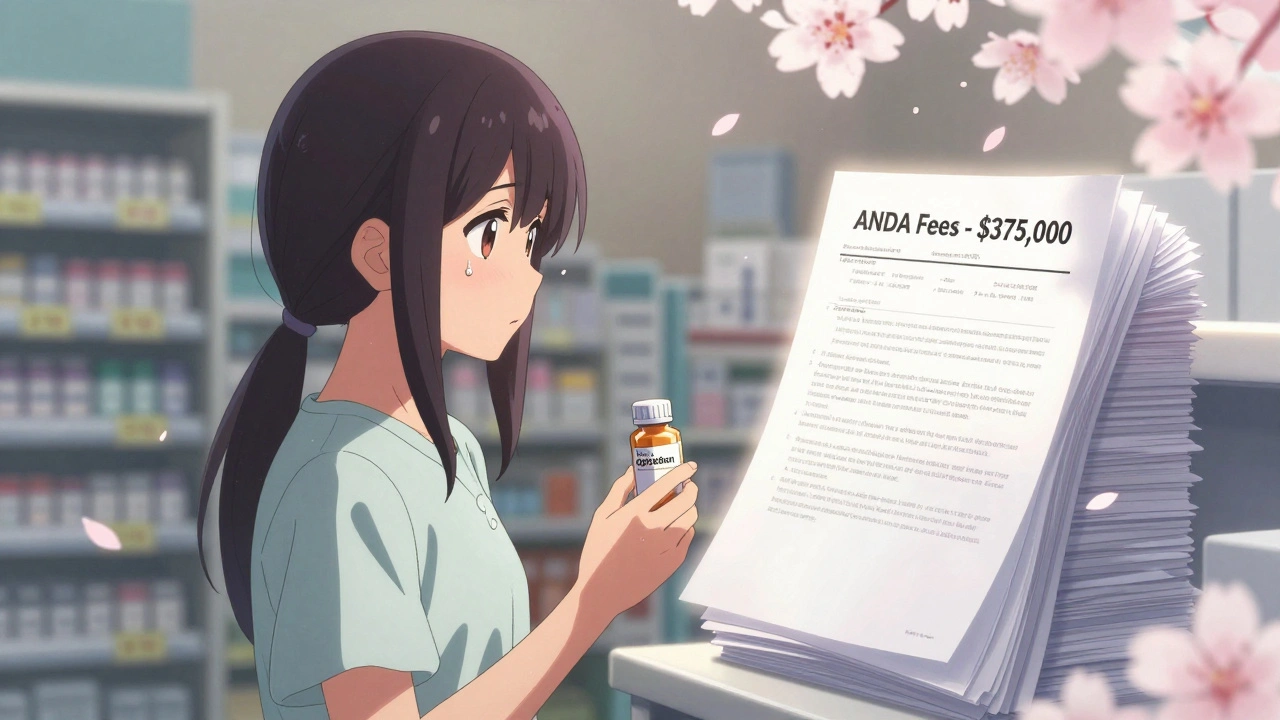
GDUFA: How Generic Drug Approval Rules Shape Your Medication Costs
When you pick up a generic pill at the pharmacy, you might not think about the GDUFA, the Generic Drug User Fee Act, a U.S. law that funds and speeds up FDA reviews of generic medicines. Also known as Generic Drug User Fee Amendments, it’s the hidden engine behind why some generics are cheap and others are still hard to find. Before GDUFA, the FDA struggled to keep up with generic applications. Companies waited years for approval, and shortages were common. Today, GDUFA lets the FDA collect fees from drugmakers to hire more reviewers, set clear timelines, and demand better quality data. It’s not perfect—but it’s the main reason generic versions of drugs like metformin or lisinopril are even available at all.
GDUFA doesn’t just speed things up—it changes who wins and who loses. The law pushes manufacturers to submit cleaner applications, which helps reduce delays. But it also favors big companies that can afford the fees and paperwork. Smaller labs often fall behind, which is why you might see only one or two brands of a generic drug on the shelf. That lack of competition keeps prices higher than they should be. And while GDUFA was meant to lower costs, the real savings often get swallowed by pharmacy benefit managers (PBMs) who control formularies and reimbursement. You’re paying for a generic, but the system isn’t always passing the savings along.
It also connects directly to the drug shortages you hear about. If a company can’t meet GDUFA’s quality standards—or if they decide the profit isn’t worth the hassle—they walk away. That’s why sterile injectables, like antibiotics or heart meds, keep disappearing. These drugs are hard to make, and GDUFA doesn’t fix the broken economics behind them. Meanwhile, the FDA uses GDUFA data to track which generics are most needed, which ones are failing tests, and where supply chains are most fragile. That’s why posts here talk about global pricing, bioequivalence challenges, and combination drug substitutions—all of them tied back to how GDUFA shapes what gets approved and who gets to make it.
What you’ll find below are real stories about how this law touches your life: why the same pill costs ten times more overseas, how PBMs game the system even with generics, why some drugs take forever to appear in Mexico, and how supply chain risks are built into the very rules meant to make drugs cheaper. This isn’t policy jargon. It’s about what’s in your medicine cabinet—and why it’s not always where it should be.