Sleep Medication Overdose: Signs, Risks, and What to Do
When someone takes too much sleep medication, a class of drugs used to treat insomnia, including benzodiazepines, Z-drugs, and sometimes combined with opioids or alcohol. Also known as sleeping pill overdose, it can slow breathing to dangerous levels—or stop it entirely—especially when mixed with other depressants. This isn’t just about taking an extra pill by accident. Many overdoses happen because people don’t realize how powerful these drugs are, or they combine them with alcohol, painkillers, or even over-the-counter sleep aids.
Benzodiazepines, like diazepam or alprazolam, are common culprits in sleep medication overdoses. Also known as benzos, they work by calming the central nervous system—but too much turns that calm into shutdown. Z-drugs, such as zolpidem (Ambien) and eszopiclone (Lunesta), are newer but just as risky when misused. Also known as non-benzodiazepine hypnotics, they’re often seen as safer—but overdose symptoms are nearly identical: extreme drowsiness, confusion, slow or shallow breathing, and loss of consciousness. Even more dangerous? When these are taken with opioids, like oxycodone or codeine, which are sometimes prescribed for pain and sleep together. Also known as narcotic sleep aids, this combo multiplies the risk of respiratory failure. The CDC reports that over half of drug overdose deaths involve multiple substances, and sleep meds are frequently part of the mix.
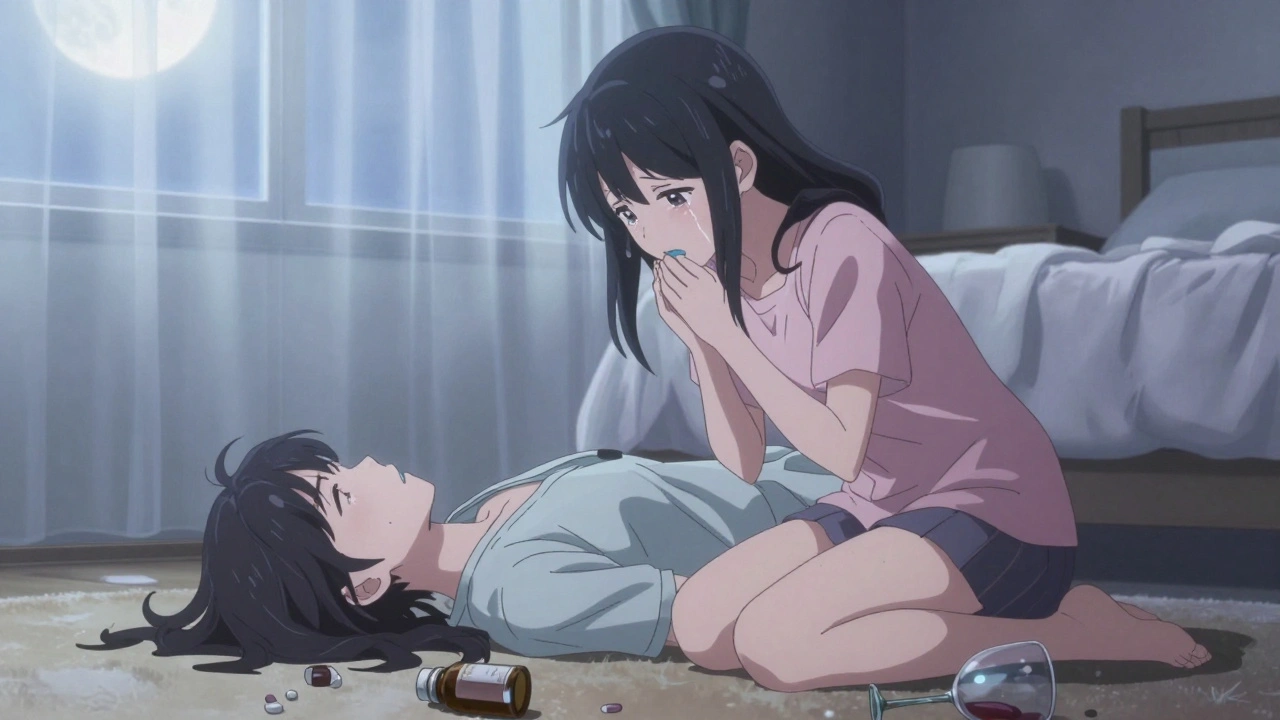
You won’t always see someone slumped over with an empty bottle. Early signs are subtle: slurred speech, unsteady walking, delayed reactions, or unusual calmness. By the time they’re unresponsive, it’s already an emergency. Unlike opioid overdoses, naloxone won’t reverse a benzodiazepine or Z-drug overdose. What works? Immediate medical help. Call 911. Don’t wait. Don’t try to ‘sleep it off.’ Keep the person awake and on their side if they’re conscious. If they’re not breathing, start CPR if you’re trained. Emergency rooms have drugs like flumazenil for benzo overdoses—but only trained staff should give them.
Most people who overdose on sleep meds aren’t trying to die. They’re exhausted, stressed, or think they need more to get rest. Others are mixing meds because they don’t know the risks. That’s why understanding what’s in your medicine cabinet matters. If you or someone you care about uses sleep meds regularly, talk to a doctor about alternatives. Behavioral therapy, sleep hygiene, or even low-dose melatonin can help without the overdose risk. And if you’re worried about misuse, keep pills locked up, track doses, and never share prescriptions.
Below, you’ll find real-world guides that break down exactly how these drugs work, what labels to read, how to spot dangerous interactions, and what to do if things go wrong. These aren’t theoretical articles—they’re written for people who need to act fast, stay safe, or help someone who’s struggling.