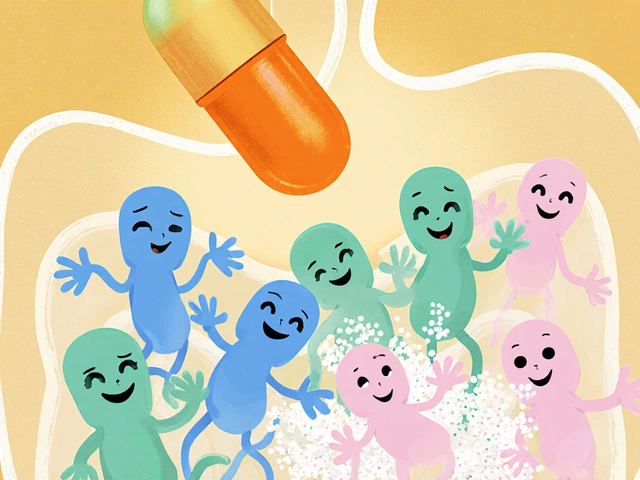
Medication-Induced Hyperkalemia: Managing Cardiac Risks and Treatment
Explore the cardiac risks of medication-induced hyperkalemia, from RAASi triggers to emergency treatments and the use of modern potassium binders.
Read More
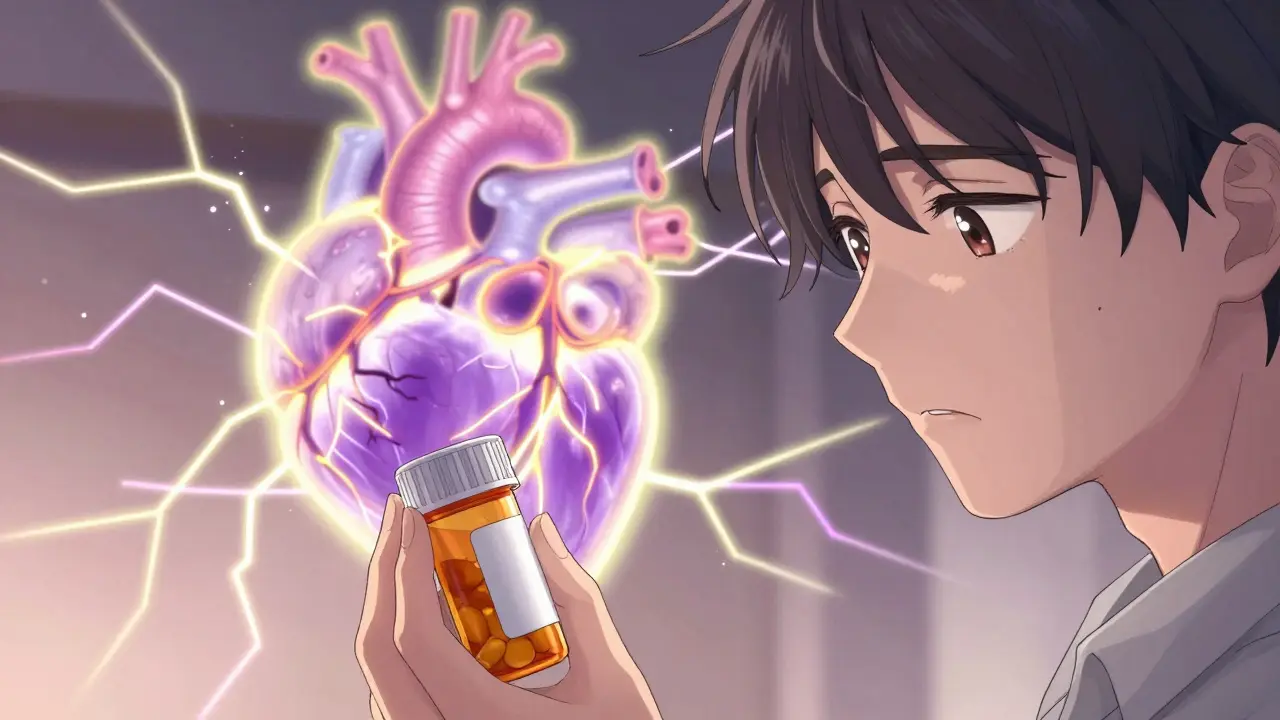
Explore the cardiac risks of medication-induced hyperkalemia, from RAASi triggers to emergency treatments and the use of modern potassium binders.
Read More
Explore the significant 2023-2025 updates to U.S. legislative amendment substitution rules. Learn how H.Res. 5 impacts efficiency, minority rights, and the new digital submission portals.
Read More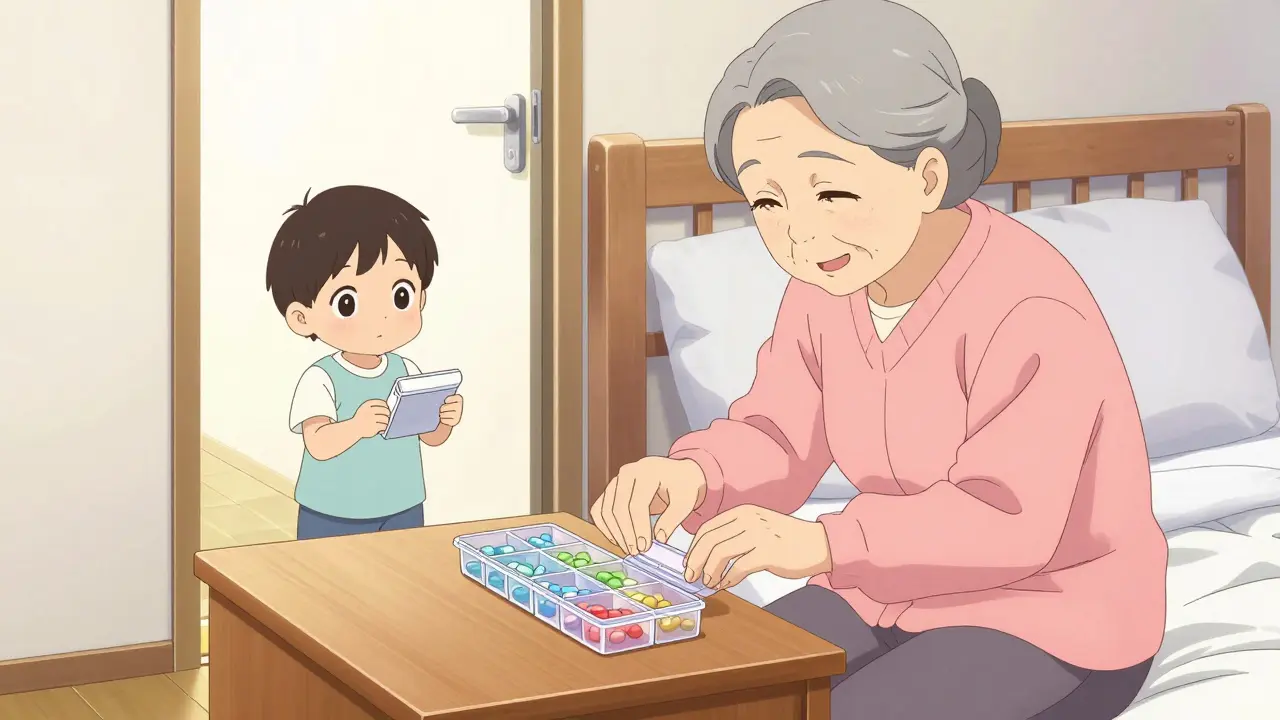
Learn effective strategies for involving grandparents in pediatric medication safety to prevent accidental poisonings.
Read More
A comprehensive guide on how to safely store and dispose of medical sharps and needles. Learn about container specs, step-by-step disposal procedures, and where to drop off waste.
Read More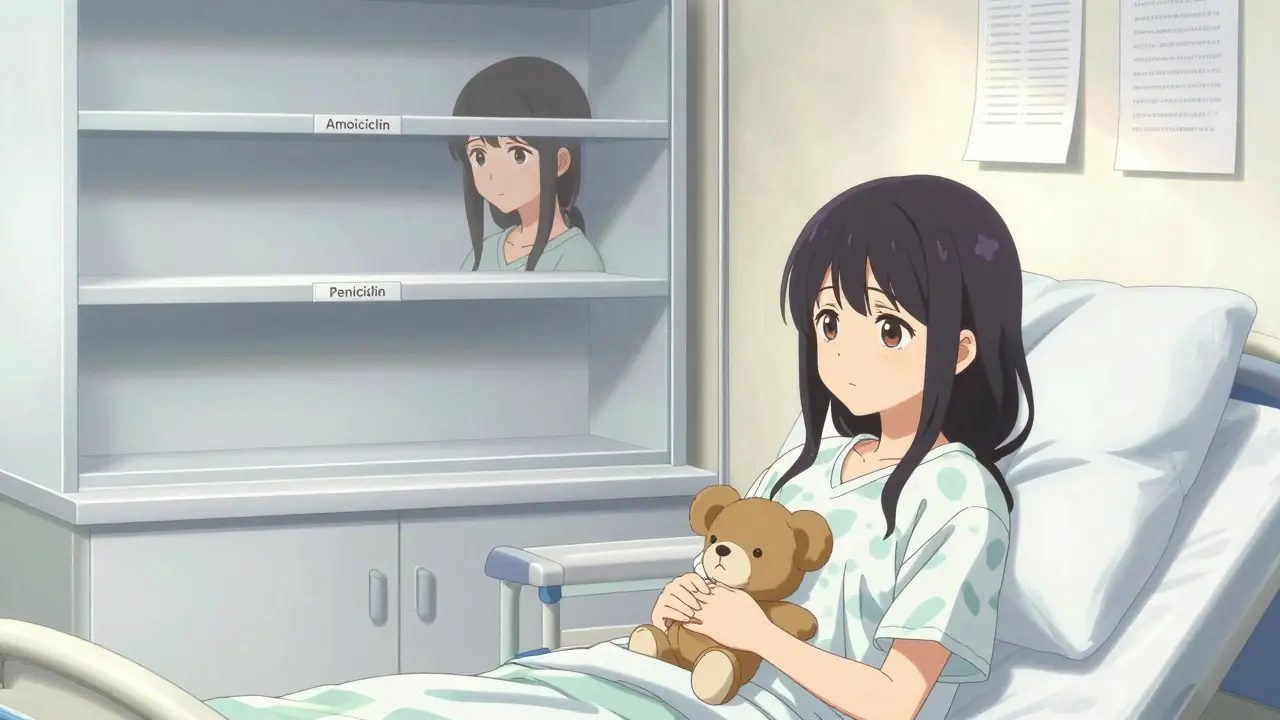
Antibiotic shortages are leaving infections untreated, forcing doctors to use toxic last-resort drugs and accelerating deadly resistance. This isn't a glitch - it's a system collapse.
Read More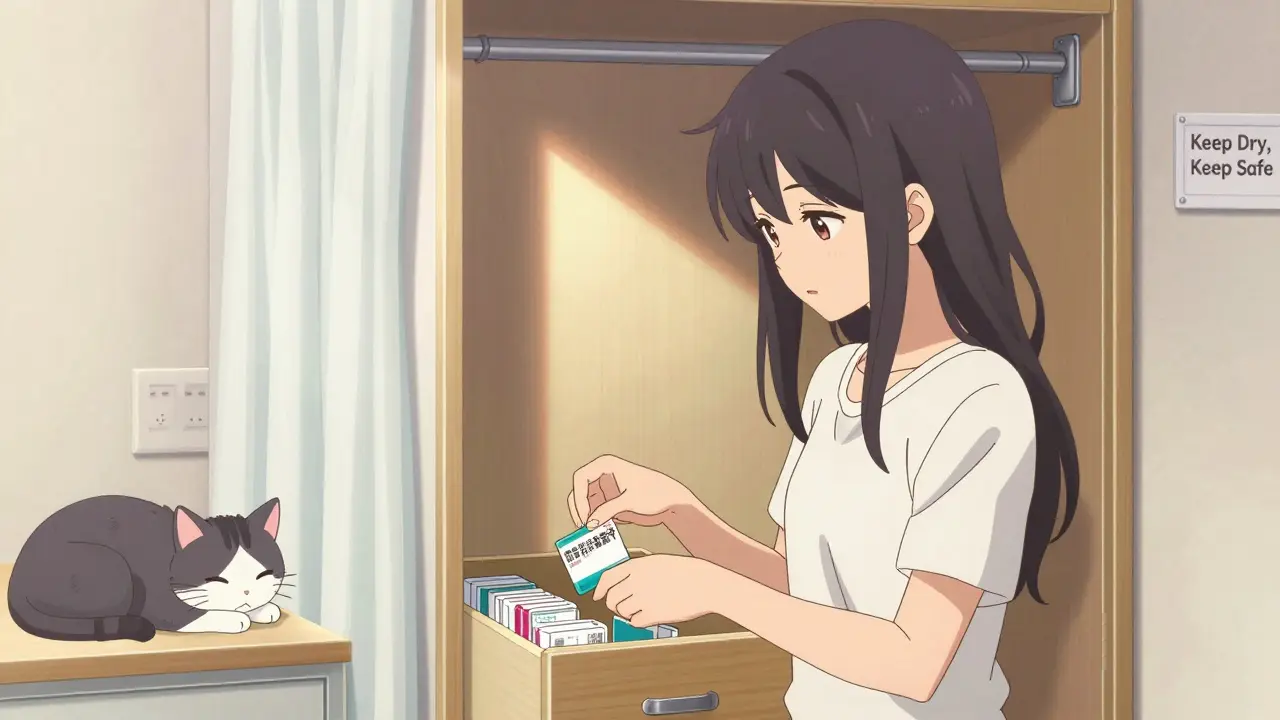
Learn how to safely store and dispose of prescription medications to protect your family and the environment. Discover take-back programs, proper home disposal methods, and what to do with controlled substances.
Read More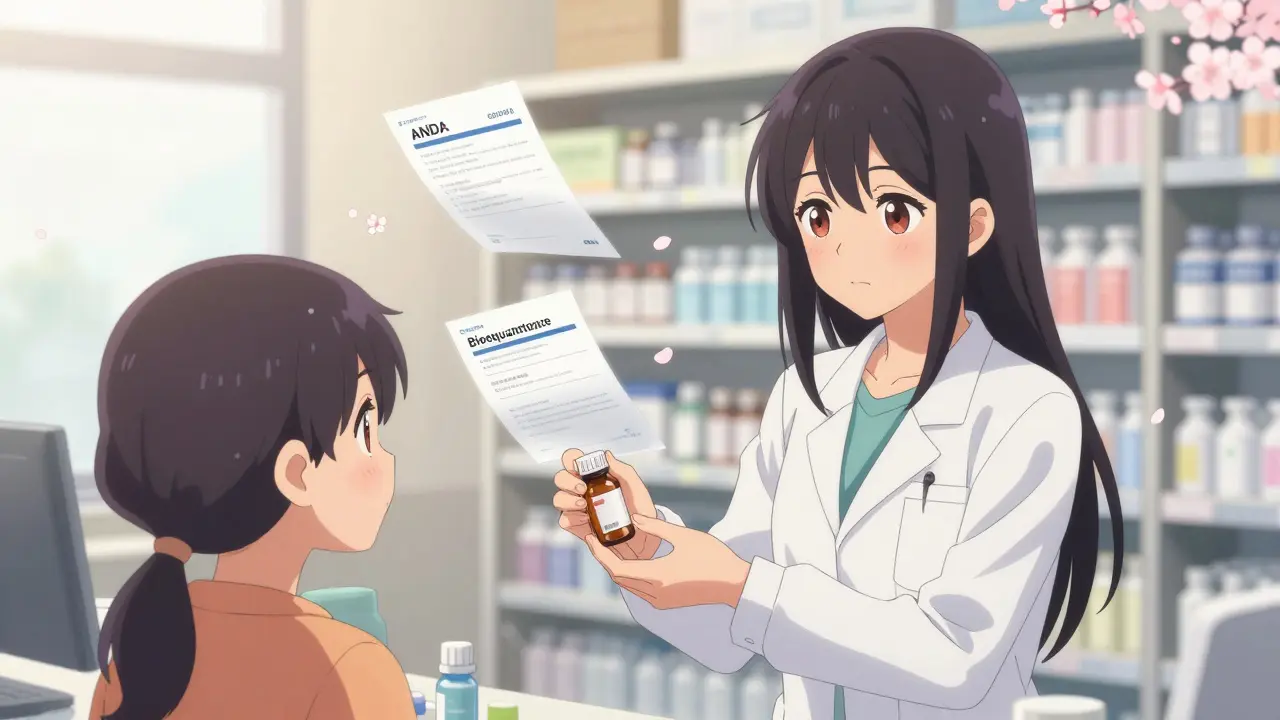
The FDA's generic drug approval timeline varies from 10 months to over two years depending on complexity. Learn how ANDA applications, AI, and priority reviews affect approval speed and drug prices in 2026.
Read More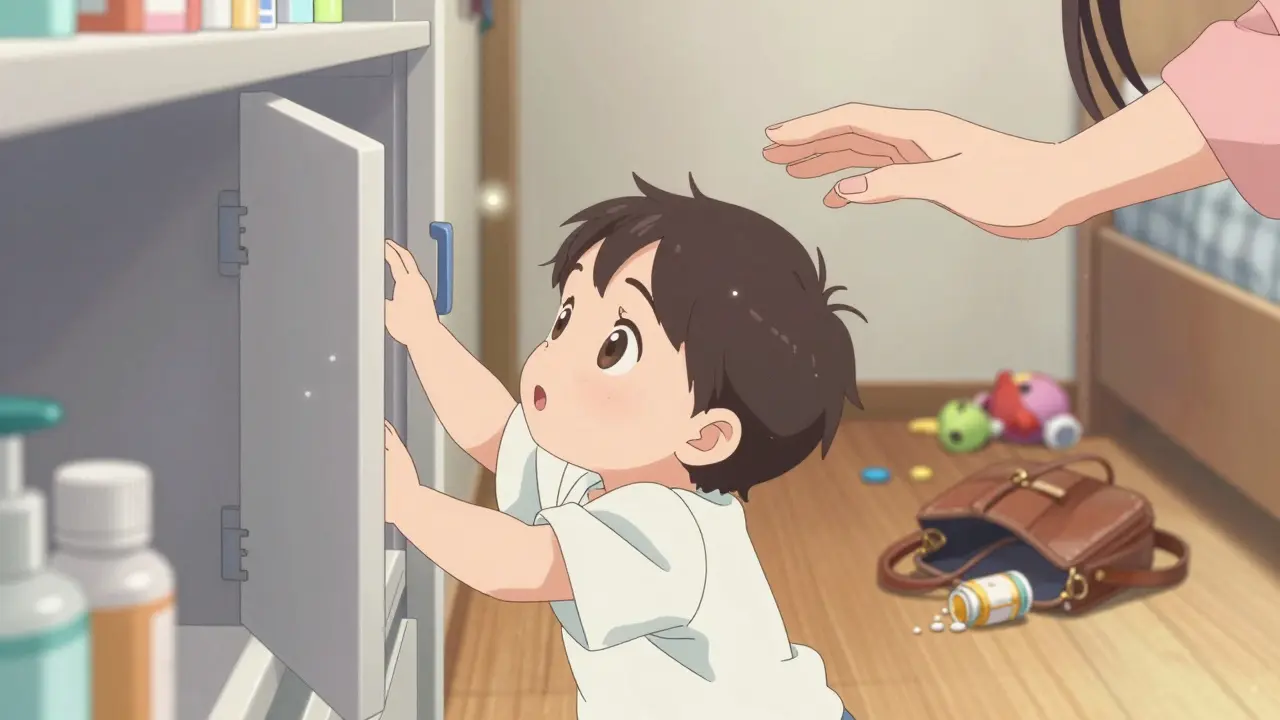
Accidental medication poisoning in kids is common, preventable, and often happens at home. Learn how locked cabinets, proper storage, and clear rules can protect toddlers from dangerous drug exposures.
Read More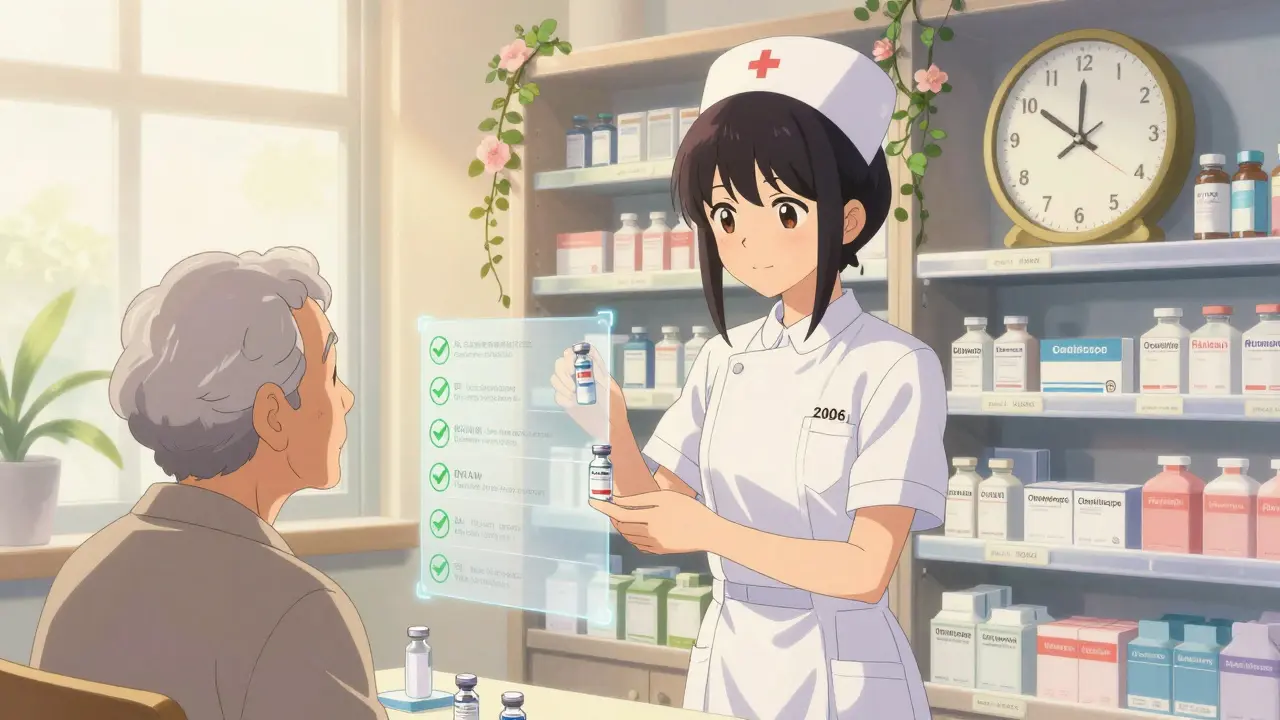
Europe led the world in biosimilars since 2006, building a mature market with strong adoption. The U.S. lagged due to legal and regulatory hurdles, but recent FDA changes are accelerating growth. Both regions now face a $200B+ opportunity as biologics lose patent protection.
Read More
Long-term opioid use can cause low testosterone, leading to fatigue, low libido, and increased health risks. Learn the symptoms, how it happens, and what treatments-like testosterone replacement and lifestyle changes-can help.
Read More