Naloxone Use: How It Saves Lives and When to Act
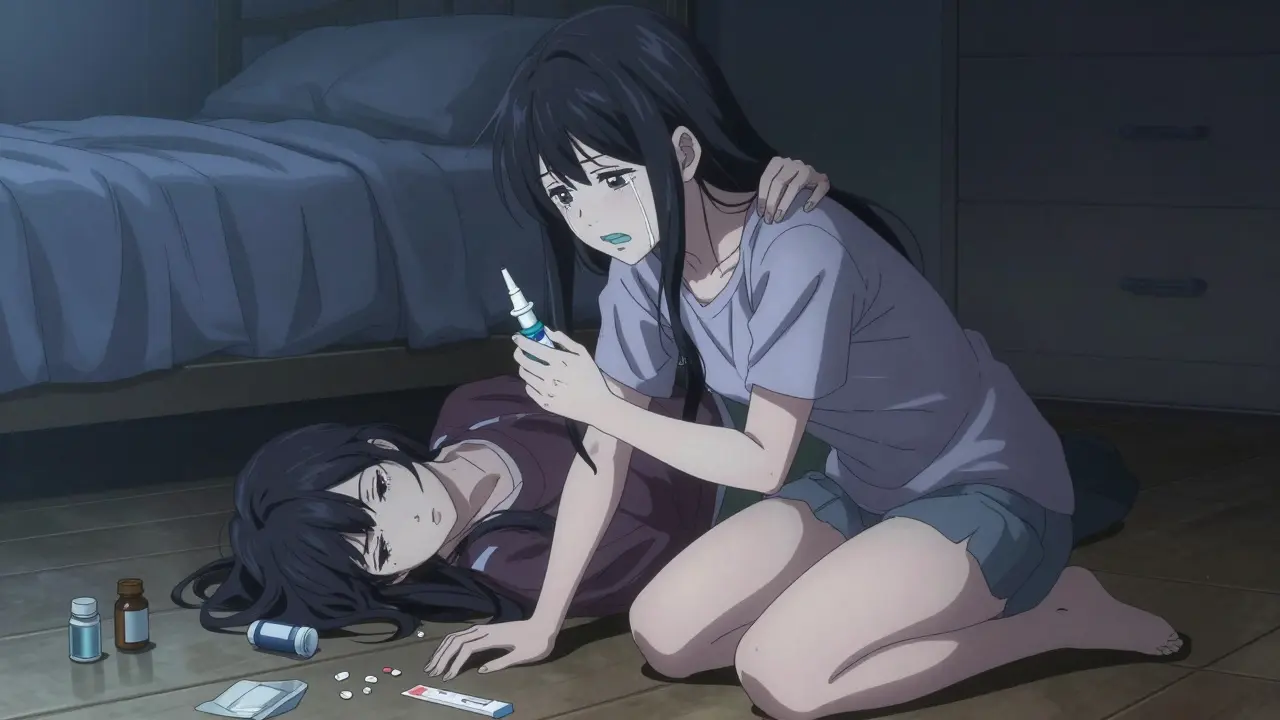
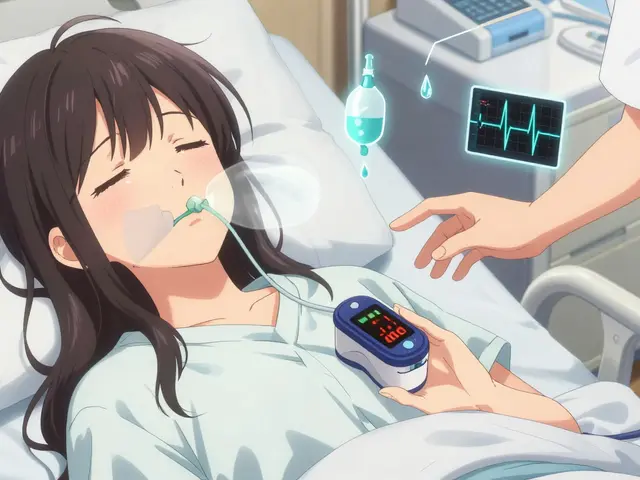
When someone overdoses on opioids, every second counts. naloxone, a life-saving medication that rapidly reverses opioid overdose by blocking opioid receptors in the brain. Also known as Narcan, it doesn’t work on alcohol, benzodiazepines, or stimulants—but it’s the only thing that can bring someone back from an opioid overdose if given in time. You don’t need to be a doctor to use it. Emergency responders carry it, but so do teachers, parents, and people who use opioids themselves. It’s simple, safe, and available without a prescription in most places.
Naloxone use isn’t about enabling drug use—it’s about keeping people alive long enough to get help. The effects last 30 to 90 minutes, but many opioids stay in the body much longer. That’s why someone who gets naloxone must still go to the ER. Even if they wake up, they can slip back into overdose once the naloxone wears off. That’s why it’s critical to call 911 every time you use it. And if you’re around someone who uses opioids regularly, having naloxone on hand is like having a fire extinguisher in the kitchen—you hope you never need it, but you’re glad it’s there when you do.
There are different ways to give naloxone: nasal spray, injection, or auto-injector. The nasal spray is the most common for non-medical users because it’s easy and doesn’t require needles. You don’t need training to use it—just follow the instructions on the box. It’s not a cure, but it buys time. And time is everything when someone stops breathing.
Some people worry naloxone encourages risky behavior, but studies show it doesn’t. People who carry it are more likely to call for help, not less. And in communities where naloxone is widely available, overdose deaths drop. It’s not magic. It’s medicine. And it’s meant for real people in real situations—someone who took too much painkiller, someone who used heroin, someone who didn’t know their pill was laced with fentanyl.
It’s not just for drug users. Family members of people on long-term opioid therapy for chronic pain should keep naloxone nearby. Doctors prescribe it more often now, but many still don’t. If you or someone you love is on opioids, ask for naloxone. Don’t wait for an emergency to learn how to use it.
Below, you’ll find real stories and practical advice about how naloxone is used in everyday life—from home to street to hospital. You’ll learn how to recognize an overdose, what to do after giving naloxone, and why having it ready could mean the difference between life and death.